
Blog Posts

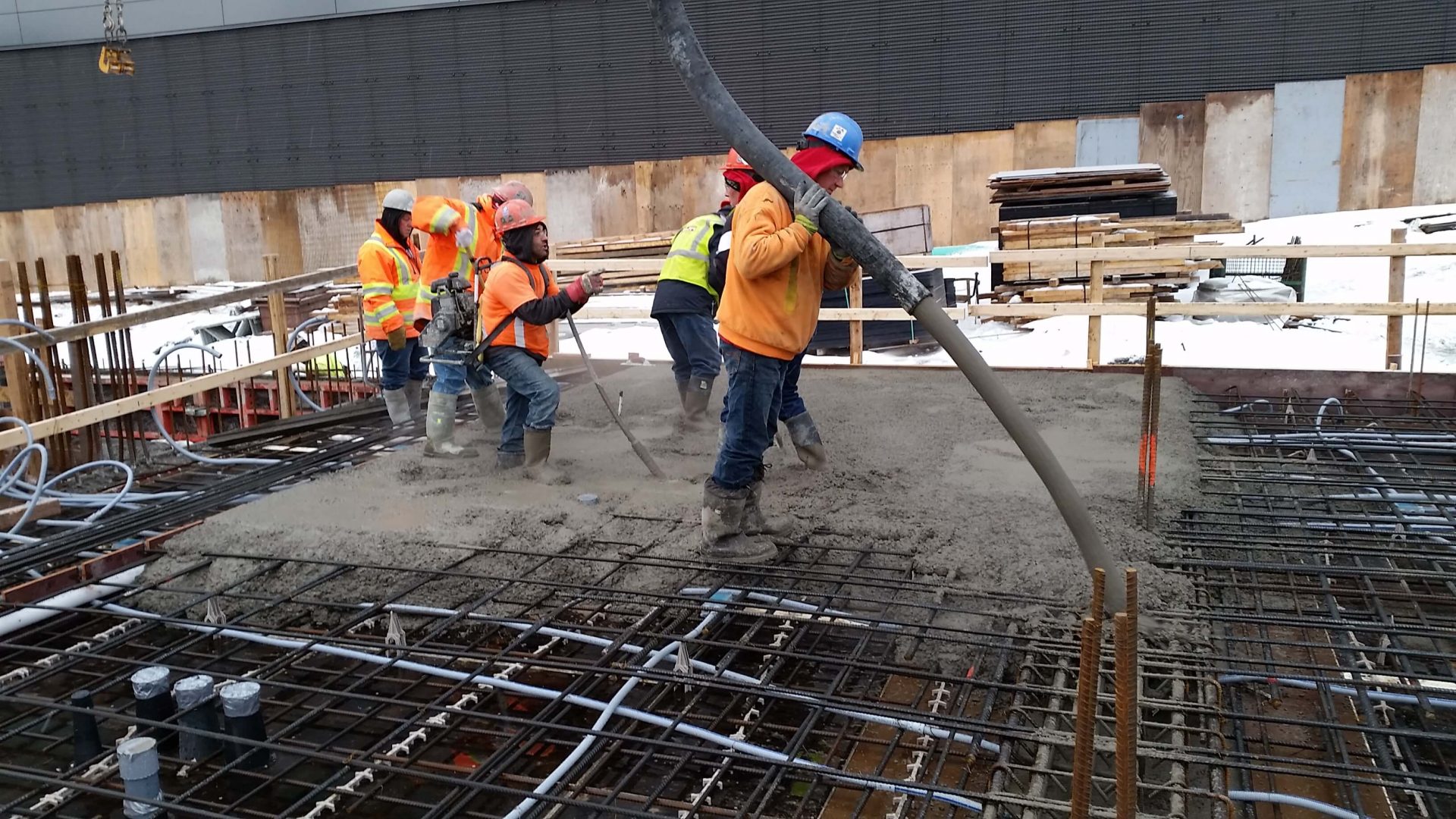
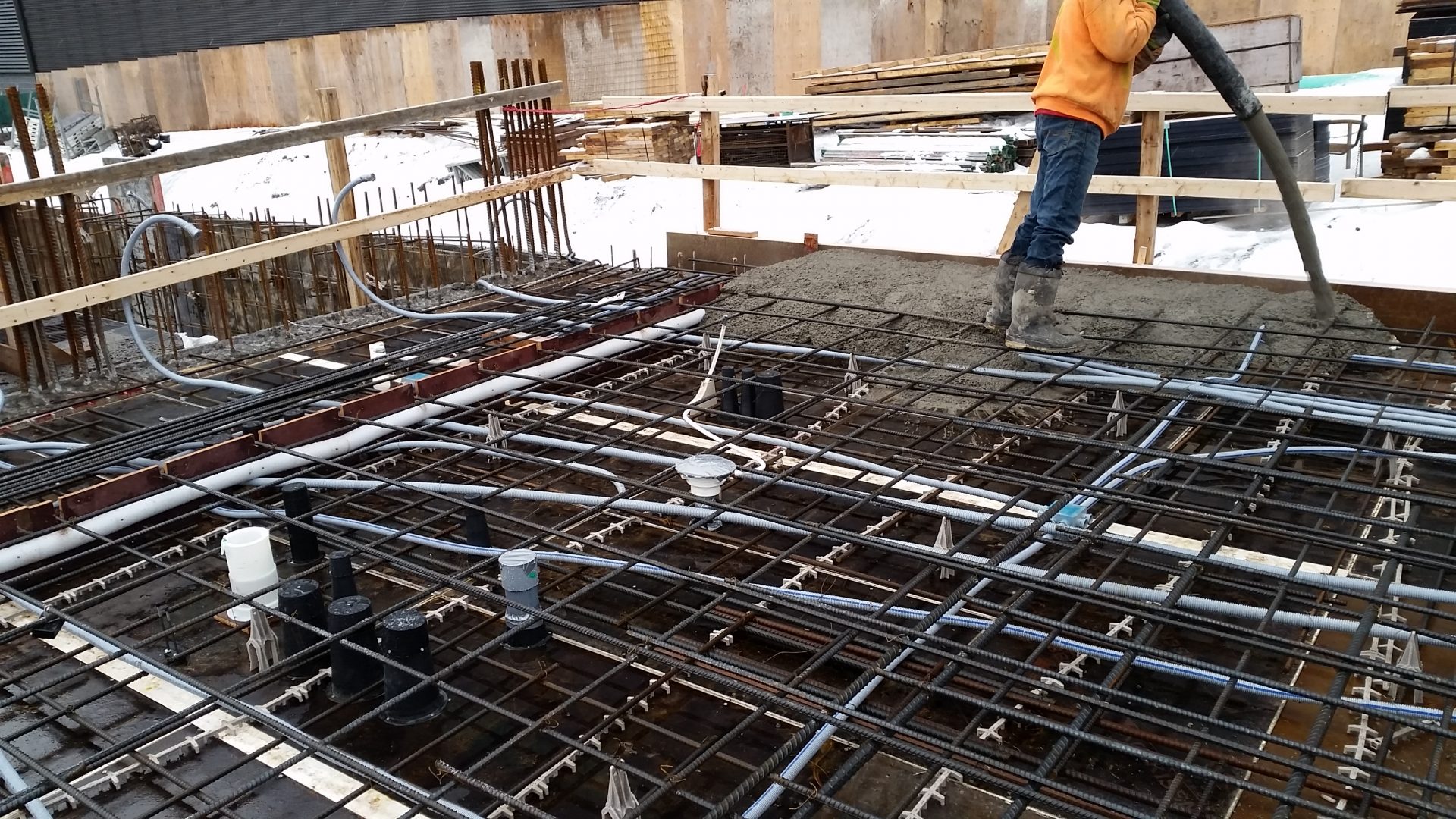
Cold weather concrete pour on rebar grid

Reduce Heat Curing Cost of Concrete in Winter Using the Maturity Method

Every year, the construction industry goes through a recurring cycle. During summer, construction worksites explode in number and activity. This is the time when concrete strength development occurs at a steady pace. The summer weather contributes and does not slow concrete strength gain. This blog will walk you through some methods commonly used to ensure strength,…

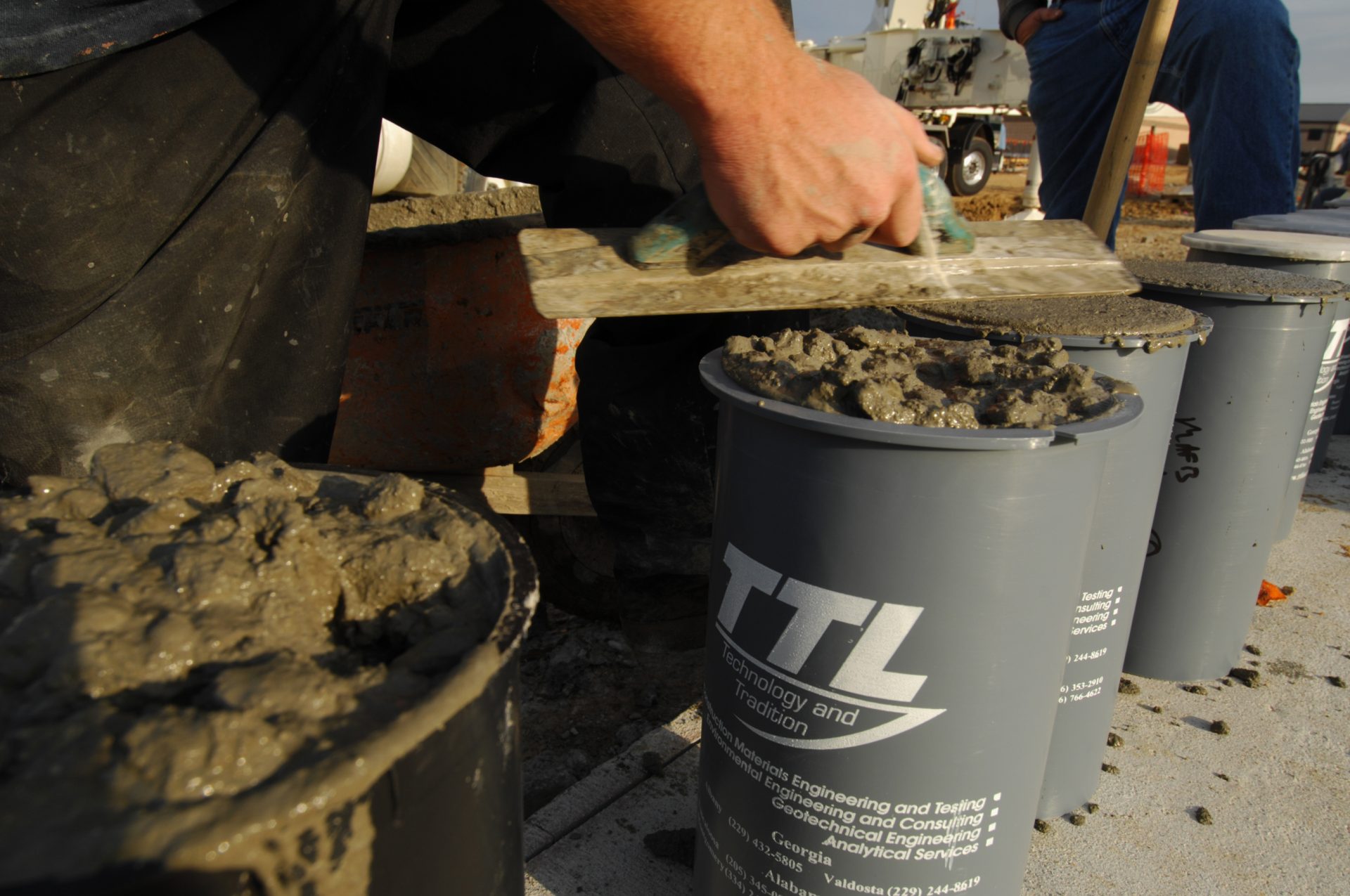
Worker making concrete cylinders

Curing Boxes vs. The Maturity Method: Maintaining Concrete Temperature Onsite

Concrete curing temperature is undoubtedly a critical part of construction. According to a report by ACI Committee 308, the American Concrete Institute defines “curing” as “the process by which hydraulic-cement concrete matures and develops hardened properties over time.” This process can be negatively impacted if freshly placed concrete…

Salt Damages to Concrete Roads Outweigh the Benefits

Salt on Concrete Roads Damage Outweighs the Benefits

Winter in colder climates such as Canada, Alaska, and the Upper Mid-West entails treacherous and unpredictable driving conditions, with snow and ice build-up making roads unsafe. For over 70 years, the solution to this problem has been to cover roads with sodium chloride…

Building Clean Energy: Mass Concrete Temperature Monitoring with SmartRock®

Building Clean Energy: Mass Concrete Temperature Monitoring with SmartRock®

As global initiatives to go carbon-neutral continue to push the demand for sustainable and renewable energy sources, many are looking to wind farms as a green solution to energy needs. Wind power has been used as an energy source for centuries – from windmills grinding grain to sailboats traversing bodies of water. However, as more and more of…

Margaret McDermott bridge

Dallas Bridge Margaret McDermott Eliminates Testing to Save Money

Photo by Art Davis, CC BY-SA 4.0, via Wikimedia Commons  The Margaret McDermott Dallas Bridge over the Trinity River in Dallas, Texas, was intended to replace the I-30 bridge built in the late 50s to early 60s. The bridge cost over $100 million to build and features a…

Wired vs. Wireless Concrete Temperature and Strength Sensors

Wired vs. Wireless Concrete Temperature and Strength Sensors

Since the commercialization of the maturity method, there have been important advancements in monitoring and computing technologies such as a simple thermocouple for concrete, wireless sensors, manual data entry, cloud sharing systems, and more. When deciding between wired or wireless loggers to measure the temperature and strength of…

Coring vs. Maturity? What’s the Best Way to Test Concrete Strength?

Coring vs. Maturity? What’s the Best Way to Test Concrete Strength?

The quality of your concrete directly depends on proper curing and accurate strength tests. While there are several different methods used to test concrete strength, not all of them are equally efficient. Below, we compare two methods of strength testing: concrete coring and concrete maturity. For more methods,…

Cold Weather Concreting

Mastering Post-Tensioning in Cold Weather Conditions with Smart Technology

Post-tensioning is a critical component of modern construction, providing the structural strength needed for large-scale buildings and infrastructure projects. However, when cold weather enters the equation, it can create significant challenges in ensuring the success of this process. Low temperatures slow down concrete curing and strength development, making…

Monitoring Concrete Temperature With Wireless Sensors

Monitoring Concrete Temperature With Wireless Sensors

Monitoring the temperature of your pour after placement is one of the most important steps in the construction of a concrete structure. That is why ensuring optimal curing conditions for your element is critical, especially during extreme weather conditions. The hydration process (the chemical reaction between hydraulic cement…

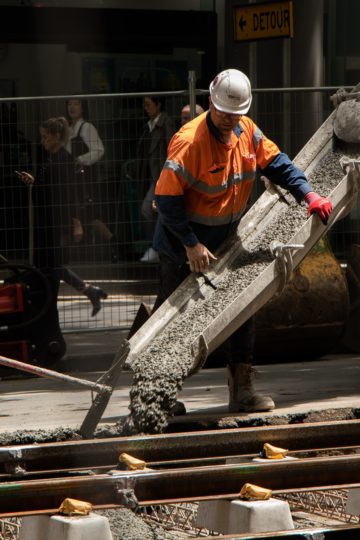
Worker pouring concrete on rebar grid

Remotely Monitor Your Concrete Structures in Cold Weather

During the winter months, when snow has taken over every inch of not only your driveway, but also your jobsite, it can be incredibly frustrating to carry on with regular construction operations. If you are working on a concrete structure, the process of monitoring temperature and strength of…

The Limitations of the Concrete Maturity Method

The Limitations of the Concrete Maturity Method

As a company that develops and produces concrete testing equipment, we can’t stress how important it is to properly test concrete with reliable equipment. In the last decade, we’ve seen the arrival of real-time sensors that make it easier than ever to gather data and put it to…

Why There is a Technology Revolution Happening in the Construction Industry

How IoT Is Revolutionizing the Concrete Industry

The construction industry is experiencing a massive shift, with the Internet of Things (IoT) at the forefront of innovation. This transformation is particularly evident in concrete construction, where IoT is reshaping how we build, monitor, and maintain structures. At Giatec, we are excited to lead the charge in…

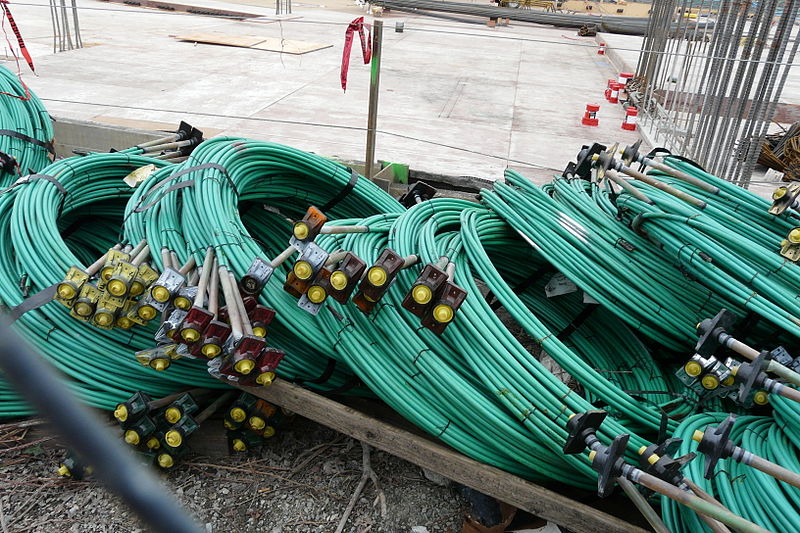
Post-tensioning Cables.

What Is Post-Tensioning and How Does It Affect Concrete Strength?

Understanding Compressive Strength vs. Tensile Strength   Ensuring your concrete is durable and stable isn’t just about achieving an acceptable level of compressive strength, which is the concrete’s ability to withstand loads that crush or squeeze it. You also need to consider its tensile strength, and the concrete’s ability…

Designed to Move Data Center Projects Faster

SmartRock® Long Range helps protect schedule and quality on data center construction. Get a FREE quote today!

We use cookies to provide you with a better experience, analyze site traffic and assist in our marketing efforts. By continuing to use this website, you consent to the use of cookies in accordance with our Privacy Policy Page.