


Winning a hyperscale data center project is one of the most significant contract opportunities available to a general contractor today. Hyperscale builds used by major cloud providers range anywhere from $200 million to over $500 million, with AI-optimized campuses often exceeding $1 billion. The margins are real, but so is the accountability.
Hyperscale owners, the world’s largest cloud providers and technology companies, are not passive clients. They are sophisticated developers with public commitments around schedule, quality, sustainability, and data transparency. They choose their GCs carefully, they measure performance rigorously, and they return to the contractors who consistently meet their expectations.
For GCs competing in this space, understanding what those expectations actually are, not in general terms, but in concrete operational terms, is the difference between winning repeat work and being replaced on the next phase.
In this blog, let’s explore four expectations that hyperscale owners consistently hold their GCs to. Learn why concrete operations are central to meeting each one and how the best teams in the industry are doing it.
The Stakes Are Higher Than on Any Other Project Type
Before getting into expectations, it’s worth being clear about what makes hyperscale projects categorically different from standard commercial construction and why the accountability that comes with them is so significant.
In the world of hyperscale construction, speed is king. Owners often demand project delivery timelines measured in months, not years. These aren’t aspirational targets; they are contractual commitments tied to the owner’s own commercial obligations. Data center operators make capacity promises to their customers. When a facility comes online late, the consequences cascade far beyond the construction contract.
Owners and developers have a vested interest in on-time, on-budget, high-quality delivery to meet market demand, while insurers require detailed progress and risk mitigation documentation. The GC sits at the center of all of that accountability.
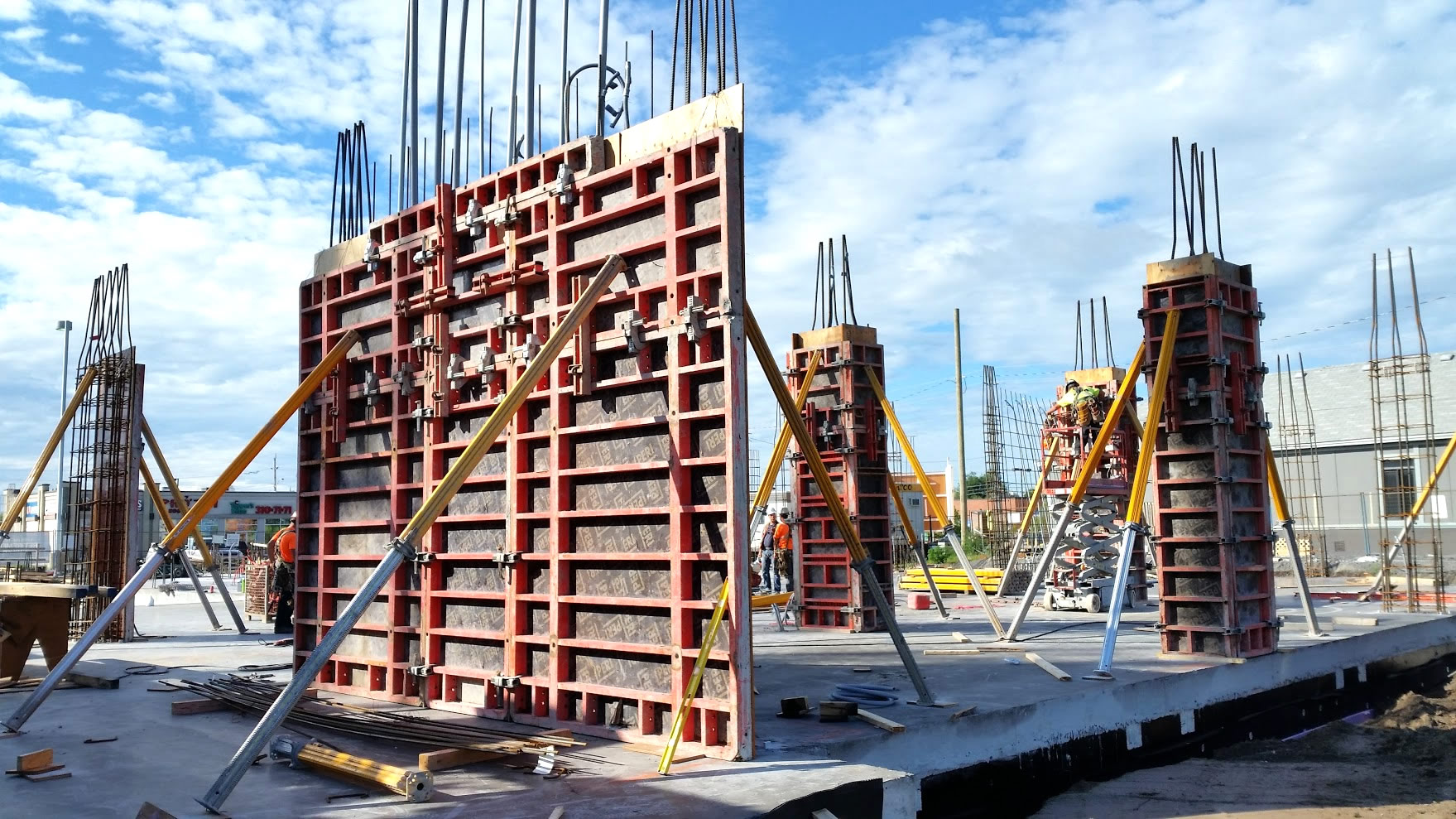
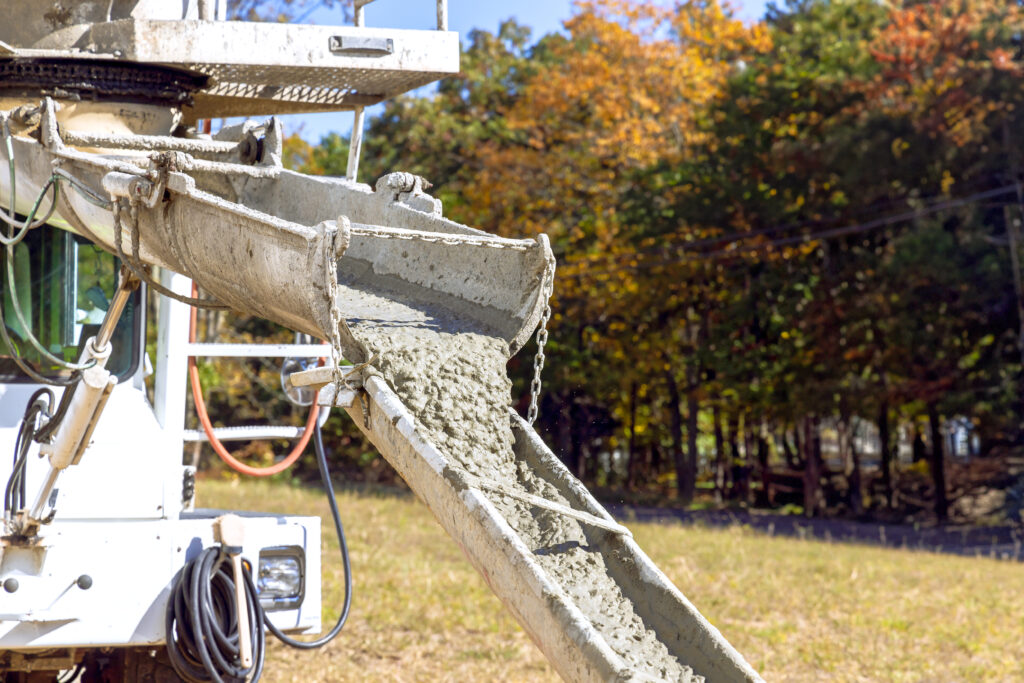
Concrete is where much of that accountability is earned or lost. Foundations, slabs, tilt-up walls, and equipment pads are almost always on the critical path. A concrete operation that runs efficiently, produces no surprises, and generates the documentation the owner requires is a competitive differentiator. One that creates delays, low breaks, or thermal cracking issues is a reputational problem that follows a GC into the next bid.
Expectation 1: Schedule Certainty
No expectation matters more to a hyperscale owner than schedule. What sets hyperscale data center projects apart is their focus on scale, speed, and sustainability, built using modular construction and prefabricated units to deploy capacity in months instead of years. The GC’s job is to match that pace across every scope, including concrete.
The challenge is that traditional concrete operations introduce schedule uncertainty at almost every step. Waiting for cylinder break results before stripping formwork. Waiting for lab confirmation before stressing post-tension cables. Waiting for conservative cure times to elapse before loading equipment. Each of these waits is a buffer against uncertainty, and on a hyperscale project, accumulated buffers become schedule risk.
Hyperscale projects often use a phased development model, where each phase replicates a baseline design. General contractors play a key role in documenting workflows, maintaining quality standards, and minimizing rework between phases. GCs who can demonstrate a repeatable, data-driven approach to concrete operations, one that systematically eliminates conservative waiting periods, are far better positioned to deliver on the phase-by-phase schedules that hyperscale owners require.
The leading teams on these projects have replaced traditional cylinder testing with real-time in-place strength monitoring. When the concrete inside the actual structure tells you it has reached the required strength threshold, you can act immediately, stripping forms, tilting walls, stressing cables, and loading slabs without waiting for a lab to confirm what the data already shows. Those recovered hours, multiplied across dozens of pours on a large campus, represent a material schedule advantage.
Expectation 2: Structural Quality with No Surprises
Hyperscale owners are building facilities designed to operate continuously for decades. Due to catastrophic damages associated with structural failures, structural engineering is arguably more important than a data center’s mechanical or electrical design. Damages affecting concrete cover zones, such as spalling or cracking, may not necessarily affect the strength of the structure but have significant potential to cause downtime.
This means that structural quality issues, particularly in concrete, are not just construction problems. They are operational risks that owners take extremely seriously. A thermal crack in a foundation element that requires investigation and remediation doesn’t just cost time and money on the current project. It raises questions about quality management practices that affect the GC’s standing for future work.
The owner’s expectation is simple: no surprises. Structural concrete should be delivered to specification, on the first pour, every time. Meeting that expectation requires more than good mix design and experienced crews, it requires continuous visibility into what is happening inside the concrete during curing, so that developing issues can be identified and corrected before they become problems.
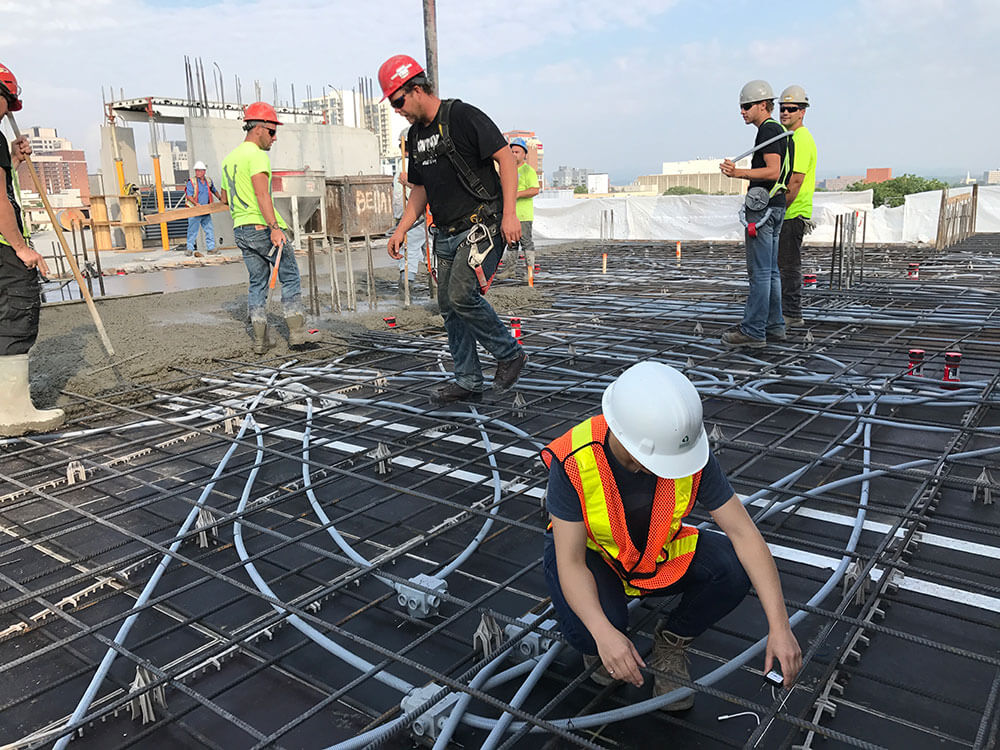
Real-time temperature monitoring across both the core and surface of every mass concrete element gives the field team that visibility. When a temperature differential begins trending toward the allowable limit, the team can intervene, adjusting insulation, modifying curing procedures, or changing cooling strategies, before a threshold is exceeded. That level of proactive quality management is what “no surprises” looks like in practice.
Expectation 3: Sustainability Performance
Hyperscale owners have made significant public sustainability commitments, and they are increasingly embedding those commitments into their construction contracts. Architects and developers are pushing for improvements in low-carbon concrete and sustainable construction methods to meet hyperscale owner sustainability aspirations, recognizing that things that make projects more efficient also often align with sustainability goals.
For GCs, sustainability on a data center project is no longer a differentiator, it’s a baseline expectation. The specific requirements vary by owner and project, but several themes appear consistently:
- Reduced material waste. Traditional cylinder testing programs generate significant quantities of concrete samples that serve a limited purpose and are ultimately discarded. Real-time in-place strength monitoring using the maturity method substantially reduces the need for cylinder testing, cutting material waste and the transportation emissions associated with moving samples between site and lab.
- Optimized energy use during curing. Hot weather and cold weather concreting programs consume energy with heating systems, cooling measures, insulation management, etc. Without real-time temperature data, these programs are typically run longer than strictly necessary as a precaution against uncertainty. Continuous monitoring allows curing energy to be applied precisely and stopped as soon as conditions no longer require it, reducing energy consumption in a measurable and documentable way.
- Fewer vehicle trips. Remote monitoring capability means quality control engineers and project managers don’t need to drive to the site to check on active pours. Reduced vehicle movements contribute to the project’s sustainability footprint and, on large campuses, also reduce site congestion.
- Digital ESG documentation. Cloud-based monitoring platforms automatically generate timestamped records of concrete performance throughout curing. These records support the owner’s sustainability reporting requirements and can be surfaced as part of project closeout documentation, demonstrating concrete, verifiable progress against waste and efficiency targets.
Expectation 4: Full Digital Transparency
The fourth expectation is the one that has changed most significantly in recent years, and the one that most GCs are still catching up to. Hyperscale owners don’t just want projects delivered well; they want to see, in real time, that the project is being delivered well.
A hyperscale data center project involves a sprawling network of stakeholders, each with their own priorities, reporting structures, and needs for project visibility, including owners and developers with a vested interest in on-time, on-budget delivery, and insurers requiring detailed progress and risk mitigation documentation. The GC is expected to be the source of truth for all of it.
For concrete operations specifically, this means:
- Real-time access to curing data. Owners and their representatives increasingly expect to be able to see the status of active pours, temperature, strength development, thermal gradient compliance, without needing to be physically on site or wait for a daily report. Cloud-based platforms make this possible for data center construction concrete monitoring.
- Automated alerts for threshold events. When a temperature differential approaches its allowable limit, or when a strength target is reached, the right people, including owner representatives, should be notified automatically. Reactive reporting after the fact is no longer sufficient on a project of this scrutiny.
- Complete, audit-ready quality records. At project closeout, owners expect a complete digital record of concrete performance across every pour. Timestamped, sensor-generated data that documents temperature history, strength development, and thermal control plan compliance is vastly more defensible than manual logs, and vastly more useful if any question about structural quality arises after handover.
- Cross-project consistency. For owners building multiple facilities simultaneously across different geographies, consistency in how concrete quality is monitored and documented matters. A GC that can demonstrate a standardized, repeatable monitoring program across all projects is a more reliable partner than one whose approach varies by site.
How SmartRock® Long Range Helps GCs Meet All Four Expectations
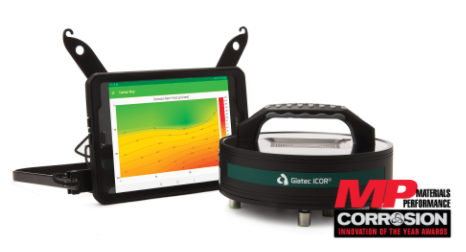
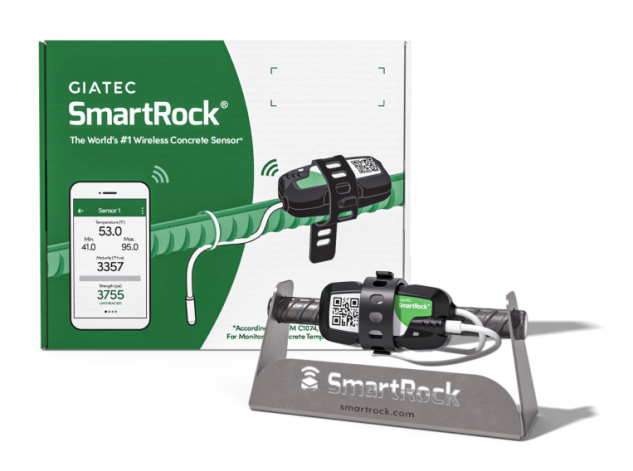
SmartRock Long Range is the concrete monitoring solution that directly addresses each of the four owner expectations described above, in a single, integrated system that is already deployed on some of the most demanding hyperscale data center projects in North America.
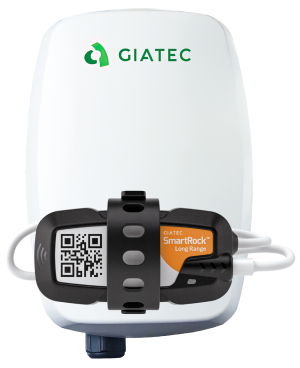
For schedule certainty: Real-time in-place strength data, updated every 15 minutes and accessible from any device, lets field teams make confident decisions about formwork removal, tilt operations, post-tensioning, and equipment loading the moment strength targets are reached. No waiting for lab results. No conservative buffer days. Just data-driven decisions that keep the schedule moving.
For structural quality: Dual-point temperature measurement from a single embedded sensor captures both core and surface readings simultaneously, providing the thermal gradient visibility required by thermal control plans. Roxi™ AI alerts notify the team proactively when conditions require attention, before a threshold is exceeded, not after.
For sustainability: Reduced cylinder testing, optimized curing energy, fewer site visits, and automatic cloud-based documentation all contribute to measurable, reportable sustainability outcomes that support owner ESG programs and project closeout requirements.
For digital transparency: The Giatec 360™ cloud dashboard gives every stakeholder, from the field superintendent to the owner’s project representative, real-time access to curing data across all active pours. Shareable reports, automated alerts, and a complete timestamped quality record provide the transparency that modern hyperscale owners require and that positions the GC as a trusted, accountable partner.
With wireless connectivity up to 1,000 ft (300 m) and unlimited sensor deployment per gateway, SmartRock Long Range scales to match the size and complexity of any hyperscale campus, without requiring additional infrastructure or manual data collection.
What the Best GCs Know
The GCs consistently winning repeat work on hyperscale data center projects understand something that their competitors are still learning: the owner relationship is won or lost on the details of execution, not on the promise of capability.
Showing up with a real-time concrete monitoring system that delivers schedule certainty, protects structural quality, supports sustainability goals, and generates the digital documentation the owner requires isn’t just good construction practice. It’s the operational proof that the GC is the right partner for the next project, and the one after that.
SmartRock Long Range gives your team the tools to deliver that proof, pour by pour, project by project.
Ready to show your next hyperscale owner what data-driven concrete operations look like? Check out SmartRock Long Range!
Frequently Asked Questions: Hyperscale Data Center Construction
What Makes Hyperscale Data Center Construction Different from Standard Commercial Projects?
Hyperscale data centers are among the most demanding projects in construction due to their combination of scale, schedule compression, structural precision requirements, and owner accountability. They typically involve large mass concrete foundations and slabs, tightly sequenced multi-trade operations across enormous campus footprints, contractual schedule commitments tied to the owner’s commercial obligations, and increasingly rigorous requirements around sustainability documentation and digital quality reporting. GCs on these projects operate under a level of scrutiny and accountability that is fundamentally different from standard commercial construction.
What do Hyperscale Data Center Owners Expect from Their General Contractors on Concrete Operations?
Hyperscale owners consistently hold GCs to four expectations on concrete: schedule certainty (no delays caused by waiting on testing results or conservative cure times); structural quality with no surprises (proactive management of thermal cracking risk and strength development); sustainability performance (reduced cylinder waste, optimized curing energy, and documentable ESG contributions); and full digital transparency (real-time access to curing data, automated alerts, and audit-ready quality records at closeout).
How Does Concrete Monitoring Help GCs Win Repeat Work on Hyperscale Data Center Projects?
Hyperscale owners build multiple facilities over multi-year programs and return to contractors who consistently deliver. Real-time concrete monitoring directly supports the outcomes owners measure GCs on: projects delivered on schedule, no structural quality issues, sustainability targets met, and complete digital documentation provided. A GC who can demonstrate a standardized, data-driven approach to concrete operations across every project is a more reliable and attractive partner than one whose performance varies by site or crew.
What is the Role of Digital Documentation in Hyperscale Data Center Concrete Operations?
Hyperscale owners and their insurers require detailed, audit-ready documentation of structural performance throughout the build. For concrete, this means timestamped records of temperature history, thermal gradient compliance, and strength development for every monitored pour. Cloud-based monitoring platforms like Giatec 360 generate this documentation automatically throughout curing, producing reports that satisfy owner requirements and provide a defensible quality record if any structural question arises after project handover.
How Does Real-Time Concrete Monitoring Support Sustainability Commitments on Hyperscale Projects?
Concrete monitoring contributes to sustainability in four measurable ways: it reduces reliance on cylinder testing, cutting material waste and lab transportation emissions; it enables precise curing energy management, eliminating unnecessary heating and cooling; it reduces vehicle trips to site for quality control personnel; and it generates the digital ESG documentation that hyperscale owners increasingly require as part of project delivery. These contributions are documentable, reportable, and directly aligned with the sustainability programs that major hyperscale developers have made public commitments to.
Which Hyperscale Data Center Projects Have SmartRock Long Range Been Used on?
SmartRock Long Range has been deployed on major hyperscale data center projects across North America, including large-scale cloud campuses in Northern Virginia, North Texas, and South Texas, involving some of the world’s leading technology companies and their GC partners. The system is trusted by contractors delivering facilities for major cloud and AI infrastructure providers on some of the most demanding schedules in the industry.