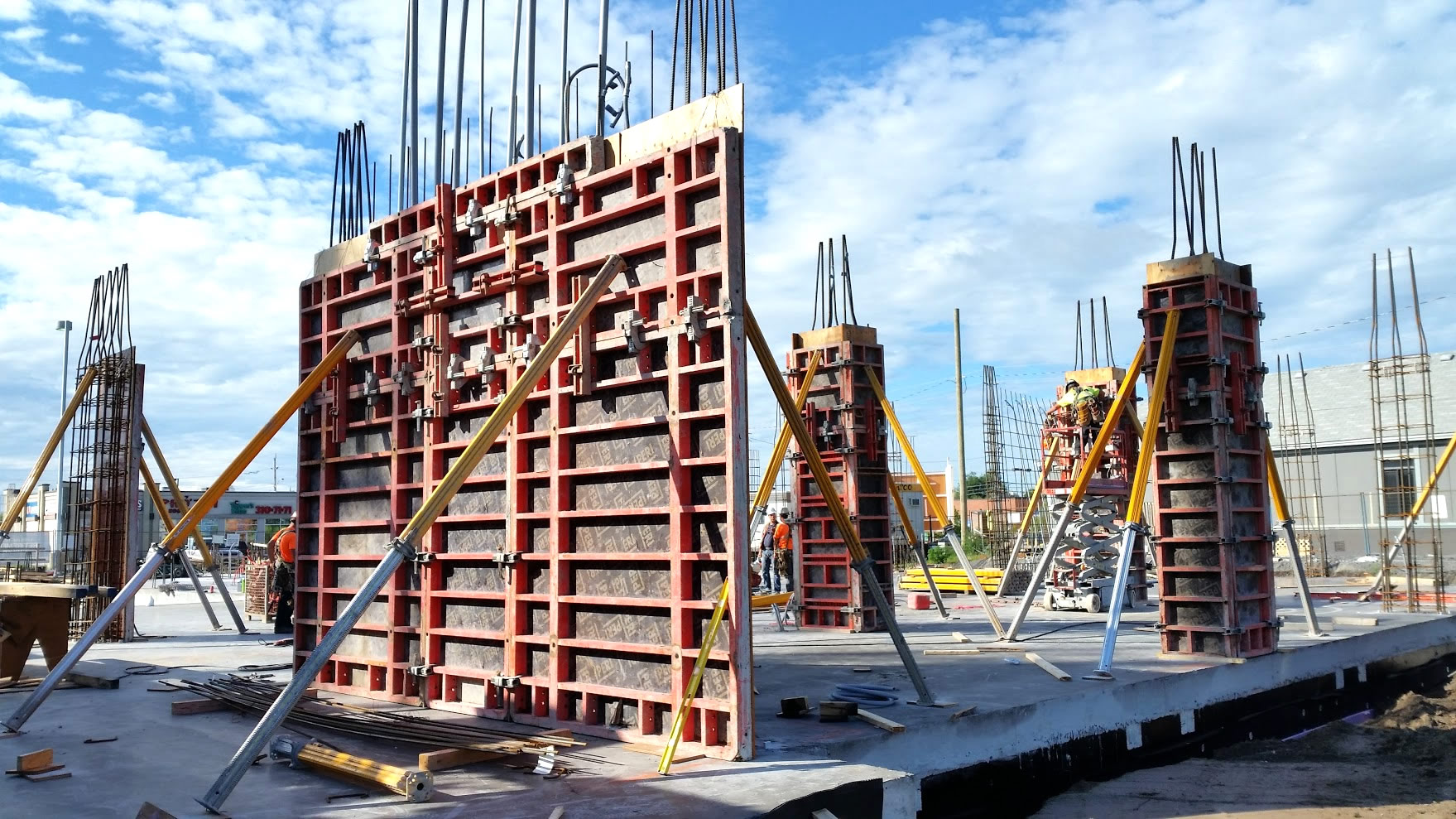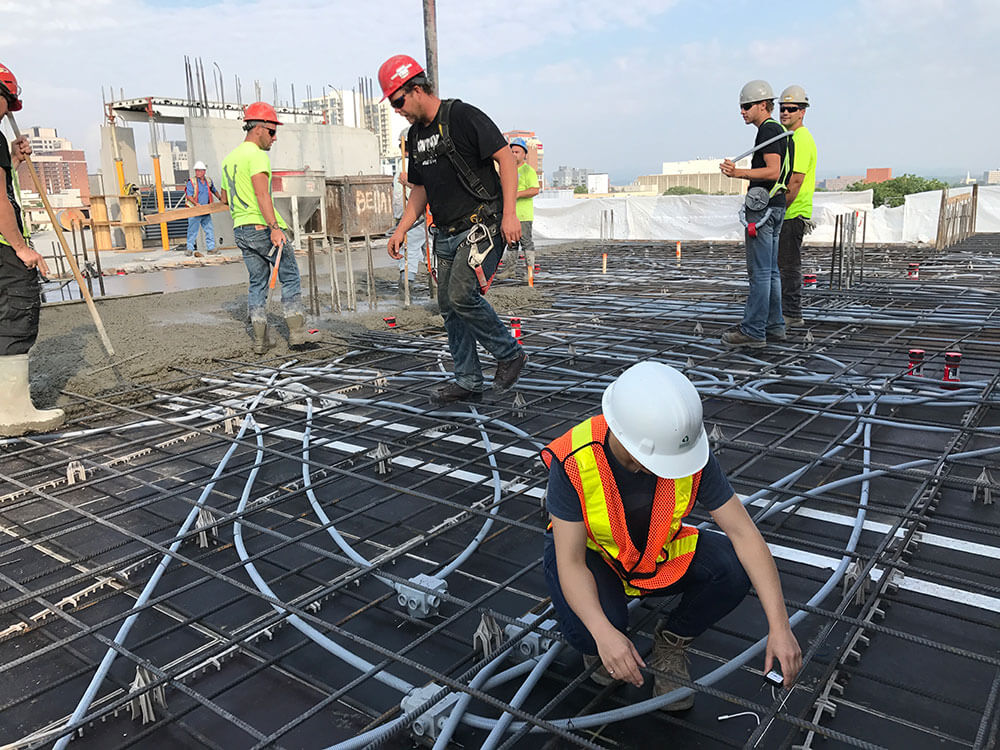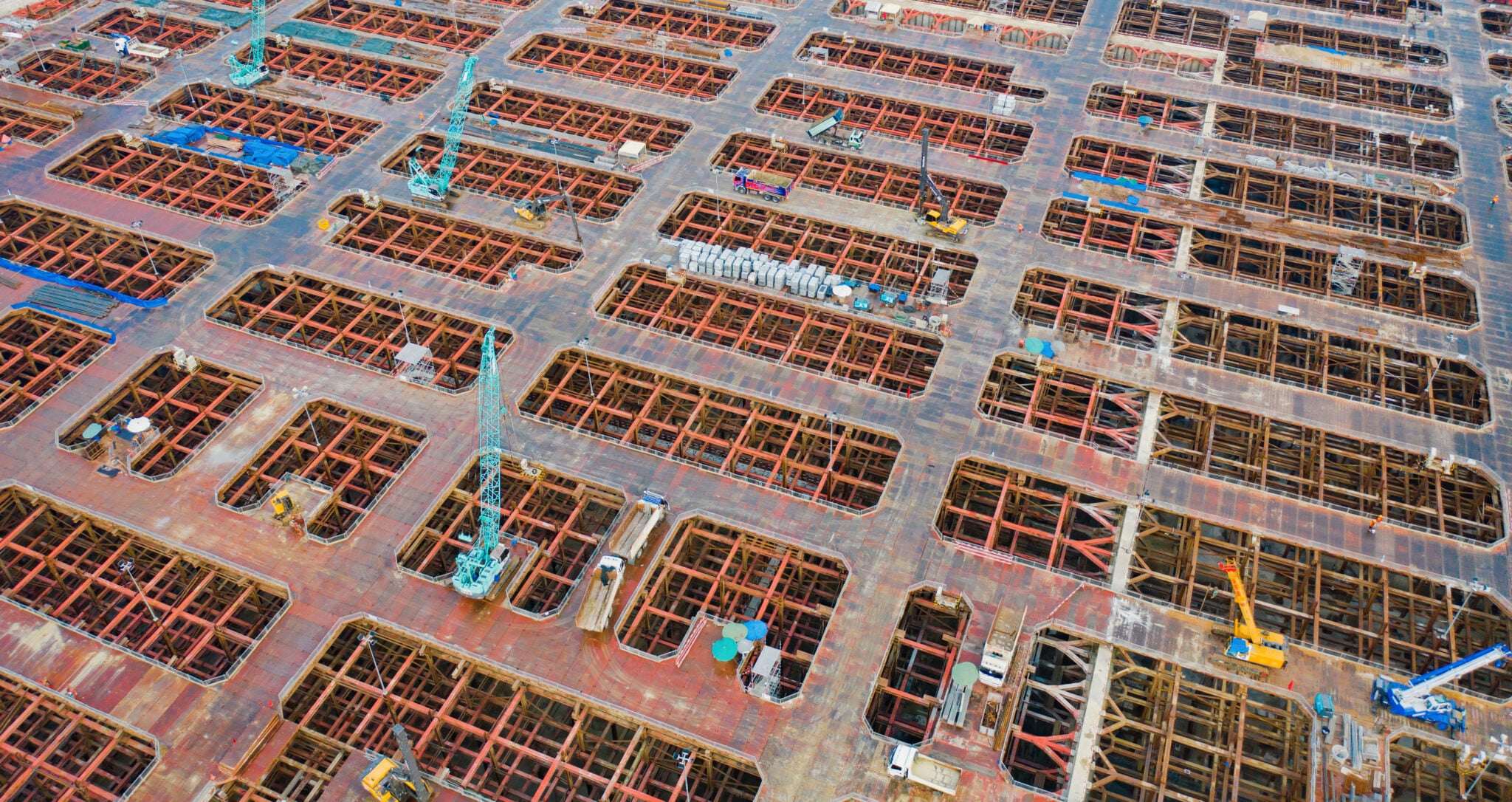

Every data center project runs on concrete before it runs on power. Foundations, slabs, tilt-up walls, equipment pads… Concrete sets the pace for everything that follows. That’s why data center construction concrete monitoring has become essential for GCs who need to move fast without sacrificing quality.
The problem is that most teams are still making concrete decisions the same way they did decades ago. Cylinder break tests. Wired thermocouples. Conservative waiting periods are built in because nobody has real-time data. On a project where a single day of delay can cost tens of thousands of dollars, that approach is a liability.
Modern wireless concrete monitoring gives construction teams continuous visibility into every pour, including temperature, strength, and thermal gradients, all accessible from anywhere. In this blog, let’s look at what that looks like in practice.
What Does Concrete Monitoring Actually Cover?
Effective data center construction concrete monitoring covers four things:
- Internal temperature
- Core-to-surface temperature differential
- In-place strength using the maturity method
- Remote visibility across all active pours from a single dashboard
Temperature and differential data protect structural quality by flagging thermal cracking risk before it happens. In-place strength data drives schedule decisions, telling your crew exactly when they can strip forms, stress cables, or load equipment without waiting on a lab. Remote visibility ties it all together on a site with dozens of concurrent pours.
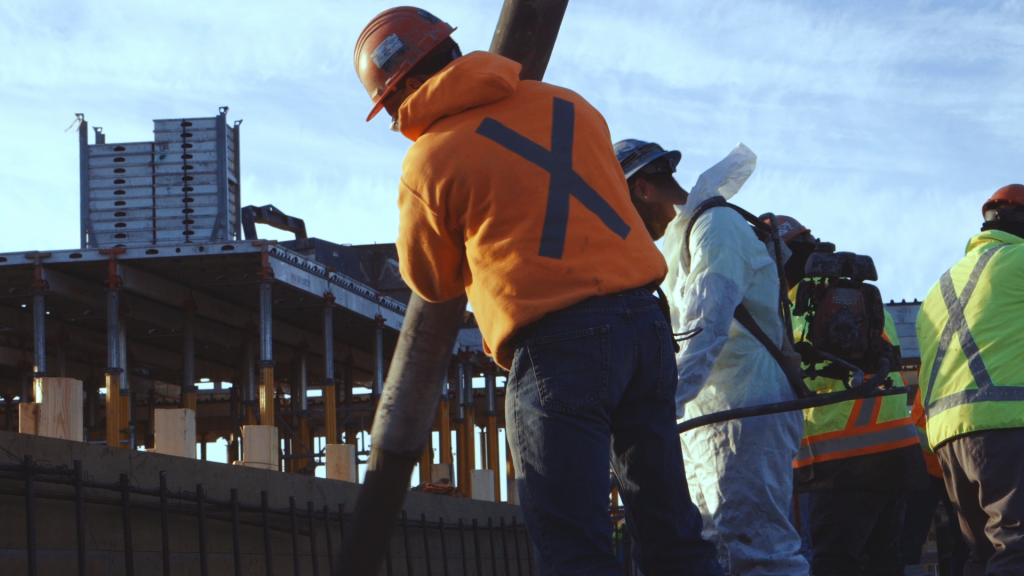
A solution that covers temperature but not strength still leaves you guessing at the schedule. All four capabilities need to work together.
Real-Time Data Brings Confidence to Your Decision-Making
The value of concrete monitoring is in the decisions it enables.
- Crews strip forms the moment strength targets are hit.
- Crane crews mobilize for tilt operations precisely when panels are ready, not a day early, not a day late.
- Post-tensioning gets done with certainty rather than estimates.
- Equipment loading happens without the uncertainty that delays fit-out.
- Thermal issues get flagged before they become cracking events.
Each of these decisions, made faster and with confidence, compounds across a campus-scale project. That’s where the real schedule gains come from.
The Sustainability Angle
Many hyperscale owners have made public sustainability commitments, and they’re expecting their contractors to support those goals in measurable ways.
Concrete monitoring helps by reducing cylinder testing waste, cutting curing energy by running heating and cooling only when conditions require it, and eliminating unnecessary site visits. Cloud platforms automatically generate the digital records owners need for ESG reporting and closeout.
This is showing up in owner specifications more and more, and it’s worth knowing you can check the box.
What to Look For in a Concrete Monitoring Solution
Not all monitoring systems are built for hyperscale. When evaluating options, these are the things that matter at this scale:
- Wireless range sufficient to cover large campus footprints
- Dual-point temperature measurement from a single sensor
- Real-time in-place strength data, not temperature alone
- Automated alerts across multiple concurrent pours
- Cloud-based reporting for owner documentation
- Construction management platform integration
How SmartRock® Long Range Supports Data Center Construction Concrete Monitoring
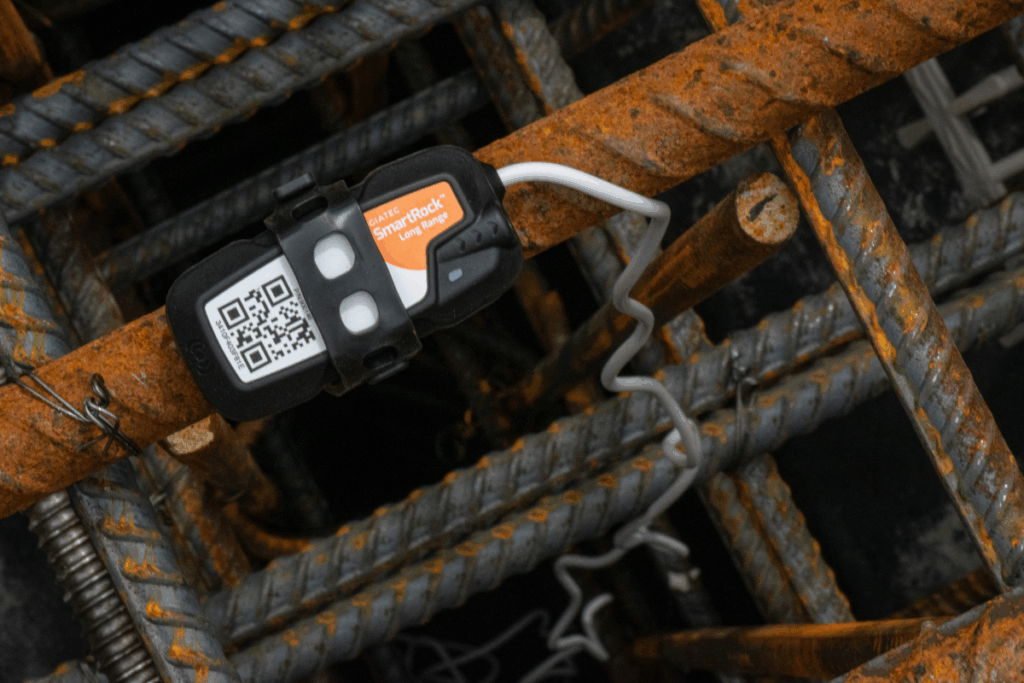
SmartRock Long Range is built for the scale and pace of hyperscale data center construction. Here’s how it delivers where it matters most:
- Core-to-surface differential from a single embedded sensor: On the mass concrete pours common in data center foundations and equipment pads, a single sensor captures temperature at depth and near the surface simultaneously, giving you the thermal gradient data your control plan requires with no wires or manual reads.
- Real-time strength and pour visibility across the entire site: Sensors sync to the Giatec 360™ platform via LTE, giving your team live in-place strength data and thermal modeling for every active pour, so decisions on formwork removal, tilt operations, and equipment loading don’t depend on waiting for a lab.
- Automated alerts across multiple concurrent pours: Your team gets notified when differentials approach limits or strength targets are reached, so the right people can act immediately and keep the schedule moving.
GCs Are Using SmartRock Long Range on Hyperscale Data Center Projects
These aren’t hypothetical scenarios. Here’s how real teams used data center construction concrete monitoring to protect quality and keep their schedules on track.
| Project | Challenge | Benefit |
| Hyperscale Cloud Campus, Northern Virginia | Reliance on field-cured cylinder testing slows the schedule | Replaced break testing with live strength monitoring; crew optimized wall-tilt schedule the moment panel targets were reached |
| Hyperscale AI Computing Campus, North Texas | Thermal cracking risk in mass pours and uncertainty before equipment loading | Prevented cracking with early-age monitoring; confirmed slab capacity in real time before MEP loading |
| Cloud Region Data Center, South Texas | Curing energy waste and pressure to maintain the critical path | Optimized heating and cooling with live temperature data; accelerated slab cycles kept the schedule on track |
The pattern across all three projects is the same. Real-time data replaced guesswork, and the schedule moved faster because of it. Without these innovative tools, millions of dollars tied to your schedule are at stake. Don’t let common data center construction delays set you back!
Make Your Next Pour Your Fastest Yet
The gap between what modern concrete monitoring makes possible and what most teams are still doing is a real competitive advantage for GCs who move first.
SmartRock Long Range gives your team continuous temperature and in-place strength data from every pour, across the entire site, accessible from anywhere, with the automated alerts and cloud reporting that hyperscale projects demand.
SmartRock Long Range is built for data center construction. Learn more here!
Frequently Asked Questions
What is Data Center Construction Concrete Monitoring?
It’s the use of embedded sensors, wireless gateways, and cloud software to track concrete curing in real time, covering temperature, thermal gradients, and in-place strength. It helps construction teams prevent cracking, reduce lab dependency, and make faster decisions on formwork, tilt operations, and equipment loading.
What’s the Difference Between Temperature and In-Place Strength Monitoring?
Temperature monitoring protects structural quality by detecting cracking risk. In-place strength monitoring tells you when you can move to the next activity. You need both: one without the other still leaves gaps.
Why Does Monitoring Both Temperature and Strength Matter on Fast-Track Projects?
Temperature tells you if a pour is at risk. Strength tells you when you can move. On a data center project where every activity depends on concrete hitting specific thresholds, strength data is what turns monitoring from a compliance exercise into a schedule tool.