
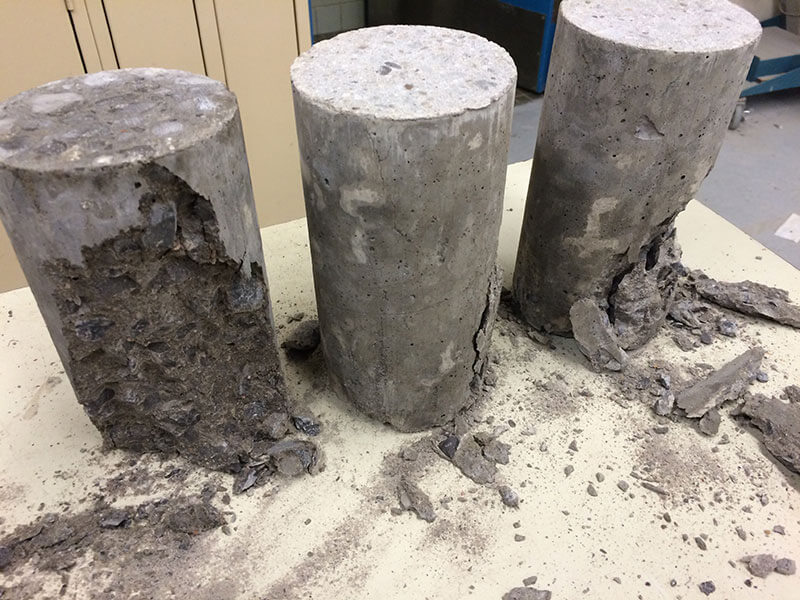
Never Have a Low Break Again One of the most frustrating setbacks that occurs on jobsites is low concrete breaks. It seems like they always…

Never Have a Low Break Again One of the most frustrating setbacks that occurs on jobsites is low concrete breaks. It seems like they always…
Concrete Maturity Calibration: Step‑by‑Step Guide & How Smart Sensors Simplify It
Interested in learning about maturity calibration? If you’re reading this article, you’re probably getting ready to use wireless concrete maturity sensors, like SmartRock®, on your…
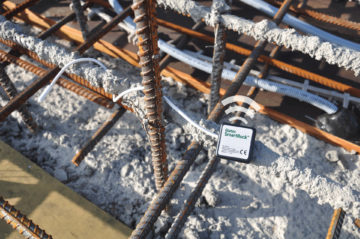
Concrete Testing Goes Wireless
Testing concrete’s strength is essential, but is also messy and expensive. One needs to create test cylinders, cure them properly, transport them to the lab…

How Concrete Cube Testing is Delaying Your Project Timeline
Time performance is one of the most crucial factors when working on a project. A delayed schedule not only eats into your profits, it also…
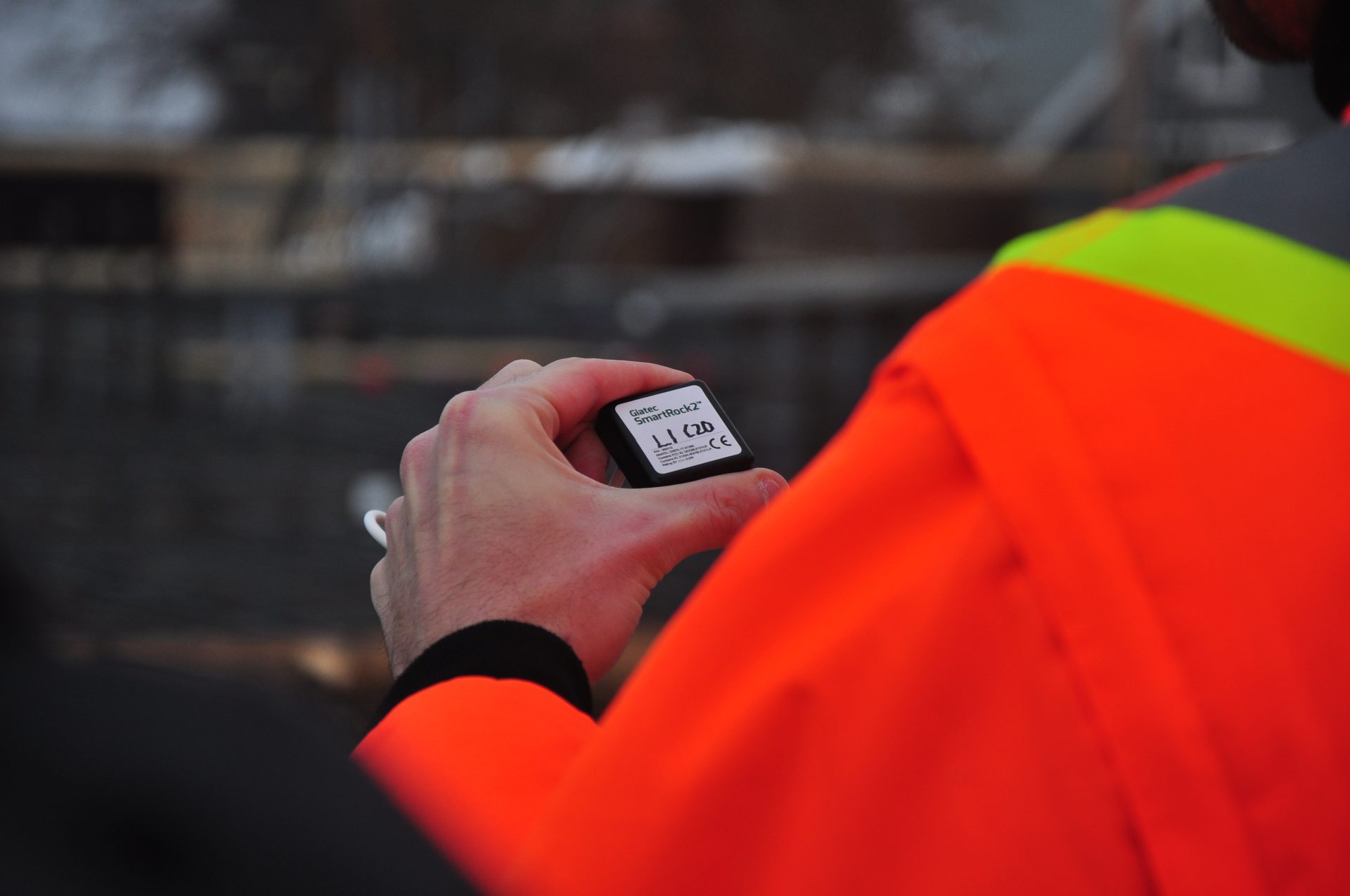
Optimize Your Project Schedule With Wireless Concrete Maturity Sensors
The construction industry is often described as being “slow”. Often this refers to how long it takes to complete a project, especially when multiple industry…

Saving Money with Wireless Maturity Sensors
With traditional concrete strength testing practices, that is the use of cylinder break tests, the reliance on third-party testing labs is detrimental to a project’s…
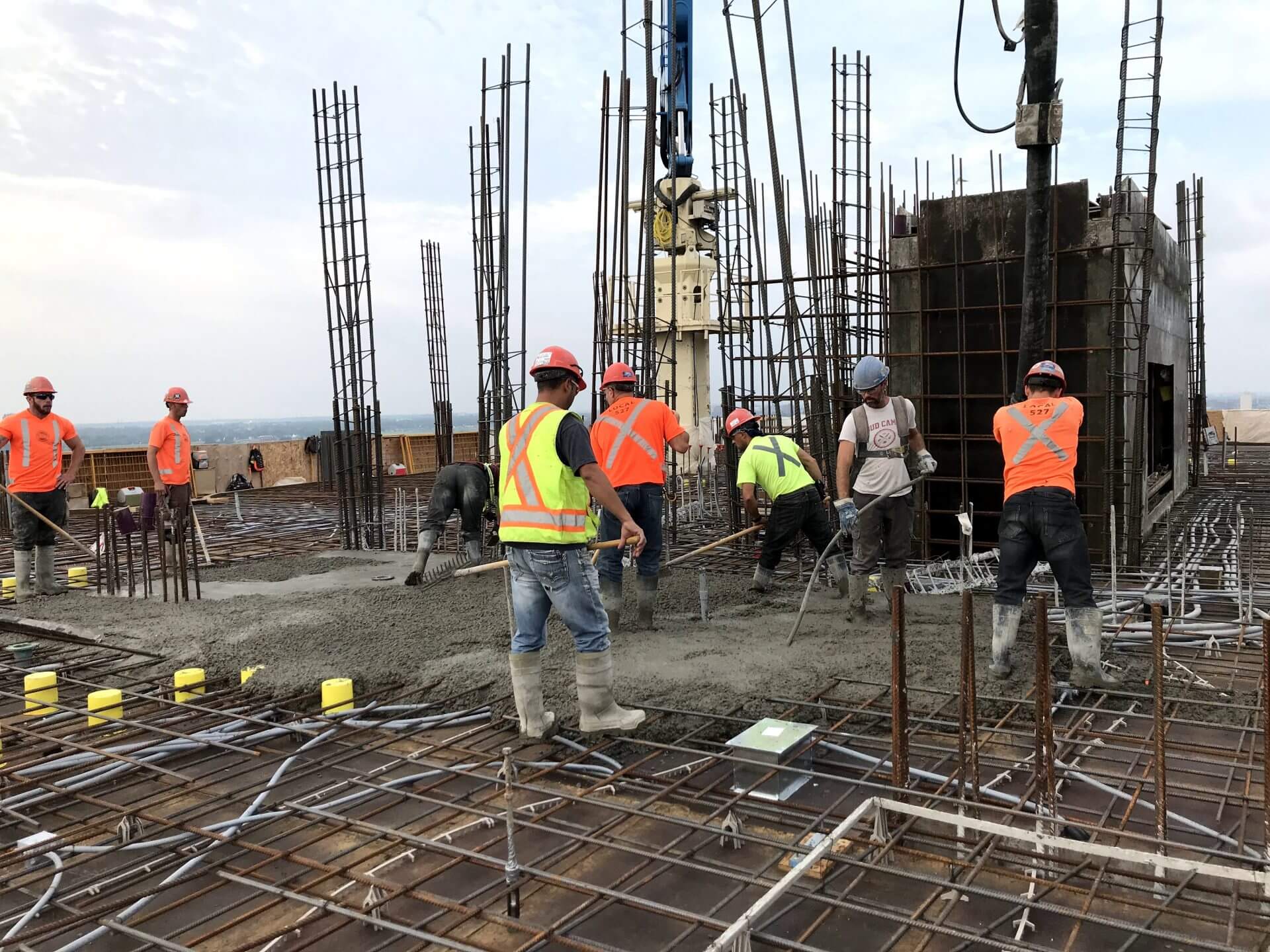
The Impact of the Labor Shortage in the Construction Industry
It’s no secret that the construction industry has been dealing with a severe labor shortage. While the industry itself is booming and the need for…

Eliminating Field-Cured Cylinders to Prevent Project Delays
For project managers and contractors, there is nothing more frustrating than when a job is running behind schedule. Not only does it eat into your…

Breaking Records Left and Right at Bauma 2019
Once every three years, bauma, the world’s leading trade fair for construction machinery, building materials, mining machines, construction vehicles, concrete testing, and more, takes place….

Accelerated Bridge Construction with Lower Costs, Safer Job Sites
In the United States, one in four of the country’s 600,000 bridges require rehabilitation, repair, or replacement. As a result, faster, safer, and more economic…

In Response to The Guardian’s Concrete Week
Over 6 days, during what they called Concrete Week, The Guardian published on its website more than 10 different articles ranging from “Concrete: the most…
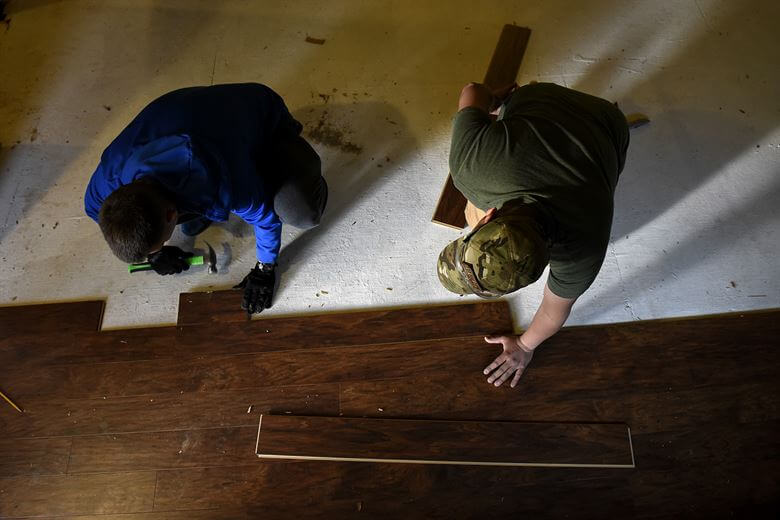
Understanding Relative Humidity in Concrete
During the construction of a concrete building, an essential step in the application of flooring is the importance of monitoring the relative humidity (RH), moisture…
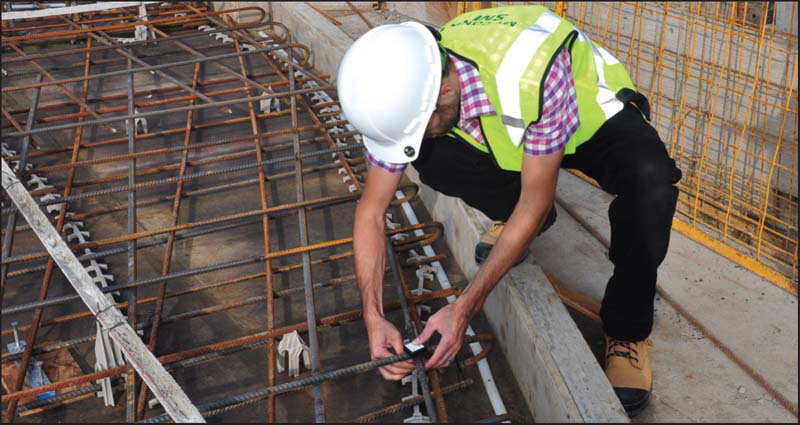
Make Your Construction Jobsite Safer and Faster with Smart Sensors
Sensors embedded in concrete let you know when it’s cured and ready. Concrete is the material most widely used by humans — after water. As…
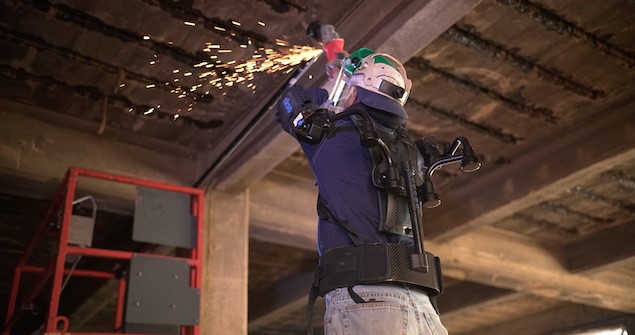
Assessing the Future: Job Site Robotics Are Quickly Gaining Ground
The introduction of advanced technologies and robotics have continued to increase in popularity in construction. With large-scale robotic solutions, these devices are transported to a…

How Testing Concrete Strength Onsite Can Accelerate Your Project Timeline
When it comes to testing concrete during placement, the most commonly used method for evaluating strength is the break test. Break tests require concrete sample…
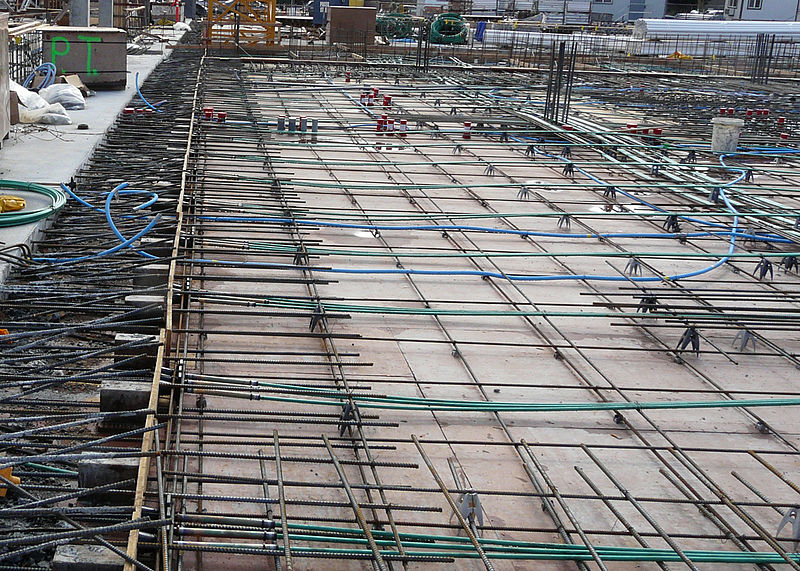
The Importance of Monitoring Temperature During Post-Tensioning Time
What is Post-Tensioning Time? Concrete has compressive strength, meaning that it can withstand its own weight within a structure. However, it lacks tensile strength. Therefore,…
Creep of Concrete Under the Nanoscope
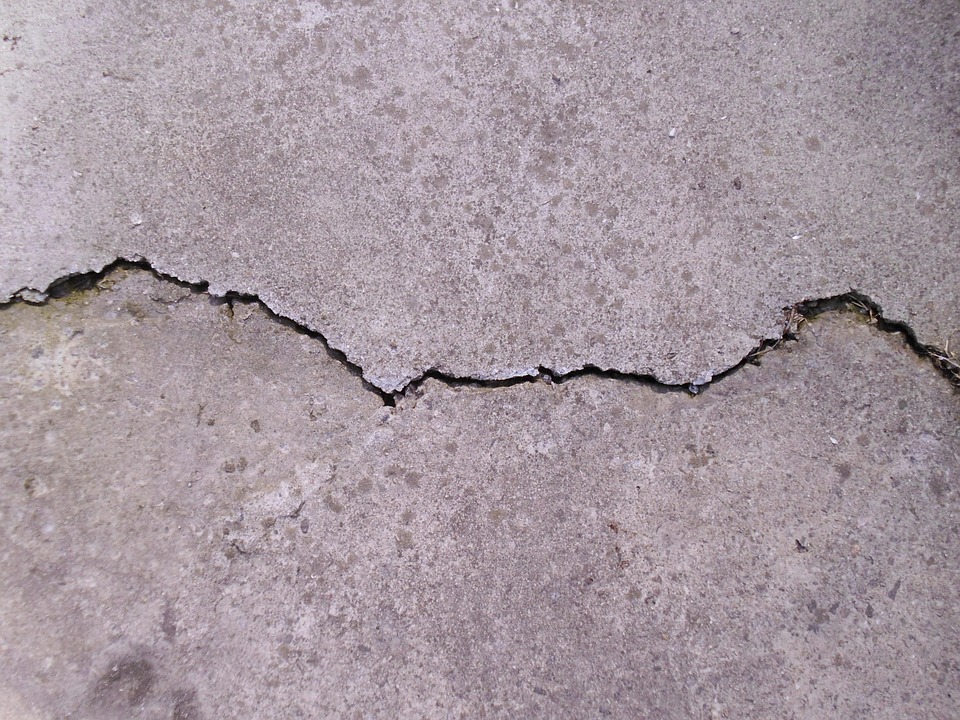
Understanding the Underlying Mechanisms of Creep in Concrete Concrete is one of the main materials utilized in civil engineering construction in the modern age with…
5 Reasons Construction Professionals Buy IoT Devices
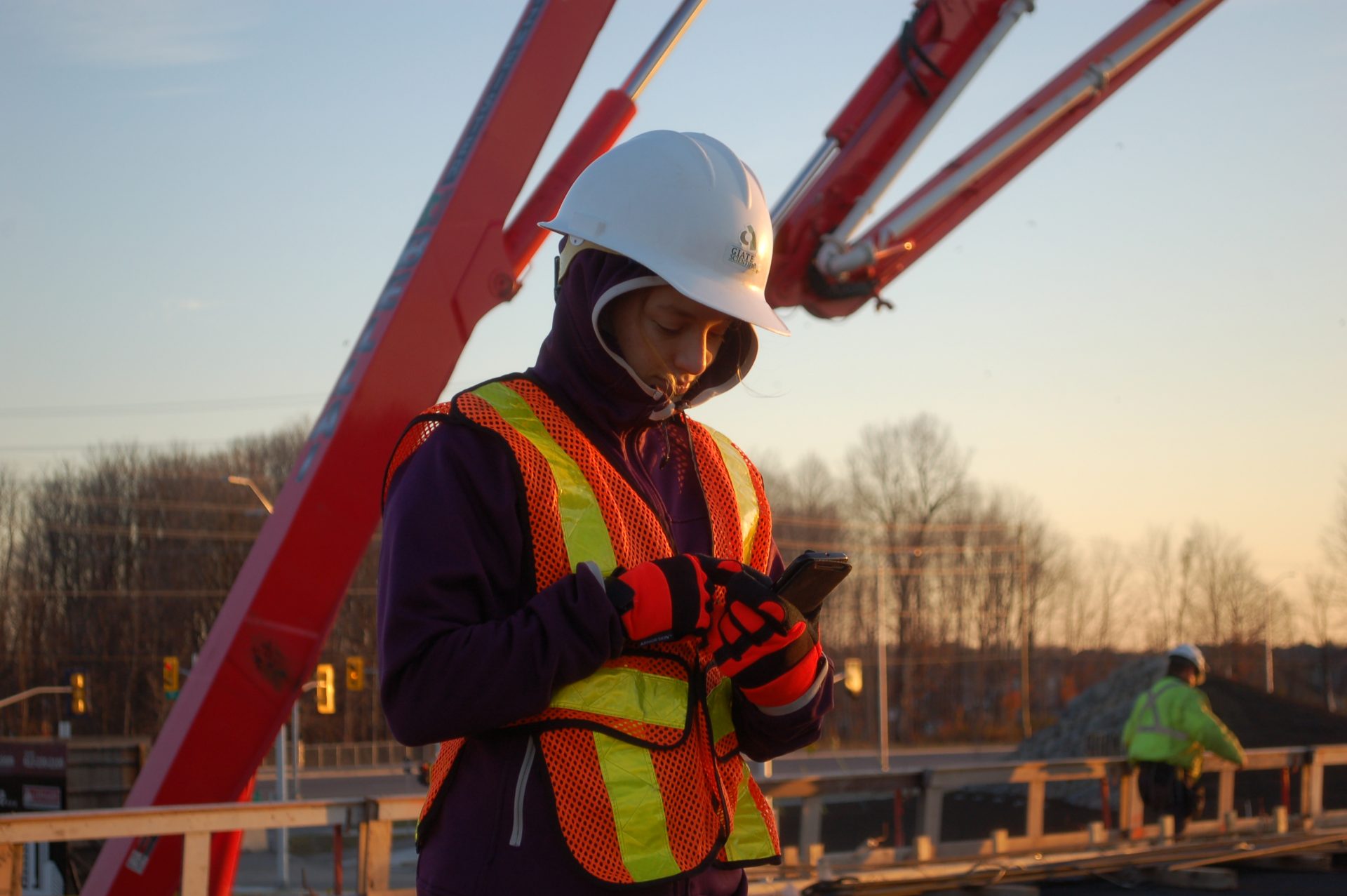
The Internet of Things, commonly abbreviated as IoT, refers to the connection of devices to the Internet. These IoT devices range from cellphones, computers, and…
Never Have a Low Break Again One of the most frustrating setbacks that occurs on jobsites is low concrete breaks. It seems like they always…
Concrete Maturity Calibration: Step‑by‑Step Guide & How Smart Sensors Simplify It
Interested in learning about maturity calibration? If you’re reading this article, you’re probably getting ready to use wireless concrete maturity sensors, like SmartRock®, on your…
Concrete Testing Goes Wireless
Testing concrete’s strength is essential, but is also messy and expensive. One needs to create test cylinders, cure them properly, transport them to the lab…
How Concrete Cube Testing is Delaying Your Project Timeline
Time performance is one of the most crucial factors when working on a project. A delayed schedule not only eats into your profits, it also…
Optimize Your Project Schedule With Wireless Concrete Maturity Sensors
The construction industry is often described as being “slow”. Often this refers to how long it takes to complete a project, especially when multiple industry…
Saving Money with Wireless Maturity Sensors
With traditional concrete strength testing practices, that is the use of cylinder break tests, the reliance on third-party testing labs is detrimental to a project’s…
The Impact of the Labor Shortage in the Construction Industry
It’s no secret that the construction industry has been dealing with a severe labor shortage. While the industry itself is booming and the need for…
Eliminating Field-Cured Cylinders to Prevent Project Delays
For project managers and contractors, there is nothing more frustrating than when a job is running behind schedule. Not only does it eat into your…
Breaking Records Left and Right at Bauma 2019
Once every three years, bauma, the world’s leading trade fair for construction machinery, building materials, mining machines, construction vehicles, concrete testing, and more, takes place….
Accelerated Bridge Construction with Lower Costs, Safer Job Sites
In the United States, one in four of the country’s 600,000 bridges require rehabilitation, repair, or replacement. As a result, faster, safer, and more economic…
In Response to The Guardian’s Concrete Week
Over 6 days, during what they called Concrete Week, The Guardian published on its website more than 10 different articles ranging from “Concrete: the most…
Understanding Relative Humidity in Concrete
During the construction of a concrete building, an essential step in the application of flooring is the importance of monitoring the relative humidity (RH), moisture…
Make Your Construction Jobsite Safer and Faster with Smart Sensors
Sensors embedded in concrete let you know when it’s cured and ready. Concrete is the material most widely used by humans — after water. As…
Assessing the Future: Job Site Robotics Are Quickly Gaining Ground
The introduction of advanced technologies and robotics have continued to increase in popularity in construction. With large-scale robotic solutions, these devices are transported to a…
How Testing Concrete Strength Onsite Can Accelerate Your Project Timeline
When it comes to testing concrete during placement, the most commonly used method for evaluating strength is the break test. Break tests require concrete sample…
The Importance of Monitoring Temperature During Post-Tensioning Time
What is Post-Tensioning Time? Concrete has compressive strength, meaning that it can withstand its own weight within a structure. However, it lacks tensile strength. Therefore,…
Creep of Concrete Under the Nanoscope
Understanding the Underlying Mechanisms of Creep in Concrete Concrete is one of the main materials utilized in civil engineering construction in the modern age with…
5 Reasons Construction Professionals Buy IoT Devices
The Internet of Things, commonly abbreviated as IoT, refers to the connection of devices to the Internet. These IoT devices range from cellphones, computers, and…