


How can ready-mix producers use their concrete data to make better decisions?


Ready-mix producers get the most from their concrete data by connecting batching, dispatch, in-transit, and quality control (QC) records in one place, making that data easy for plant and QC teams to question, and then using it to set mix, water, and dispatch decisions before the pour. Most operations move through four levels to get there.
One truckload of concrete leaves a long data trail. There is the mix design, the batch weights, the dispatch ticket, slump and water readings in transit, and temperature readings from sensors embedded in the concrete on the jobsite. You likely collect all of it, yet answering a simple question about last month’s loads can still take a day of spreadsheet work.
In this blog, you will score your ready-mix concrete data on a four-level maturity model and learn the practical steps that move you from siloed records to data that drives decisions before a load leaves the plant.
Why Ready-Mix Concrete Data Stays Siloed
Each system in your operation was bought to solve one job. Batch control runs the plant, dispatch runs the fleet, QC lives in lab software or spreadsheets, and field results arrive by email or PDF. None of them were designed to share a common record with the others.
So every cross-system answer needs someone to export files, match tickets by hand, and reconcile mix names that differ from one system to the next. At Conewago Manufacturing, a producer running six plants and nearly 1,000 active mixes, a single mix analysis used to take 45 minutes to an hour before the team adopted Giatec® SmartMix™.
The cost is not the data itself. It is the delay between a problem showing up in your records and someone having time to find it.
Six Questions That Reveal Gaps in Your Concrete Data
Try answering each question below for last month. If any answer takes more than a few minutes, or needs someone to build a report, your data is still siloed.
- How much time do your trucks spend waiting on site, and which customers or jobsites cost you the most? Wait time drives truck cycle time, and cycle time drives how many trucks you need.
- What share of your loads are returned or rejected, and why? The root cause usually spans batching, transit, and placement, so no single system holds the answer.
- Which customers’ loads get water added on site most often? ASTM C94 allows water additions on arrival only within the specified water-cement ratio. Frequent additions point to a mix, batching, or transit issue and put strength at risk.
- How much cement are you using beyond what your strength results require? ACI 301 and ACI 318 base the required average strength on the standard deviation of your test records. Overdesign is the price you pay for variability you cannot see.
- Which trucks or routes regularly arrive outside slump spec? Patterns by driver, route, or time of day only appear when transit data sits beside dispatch data.
- When a contractor disputes a load, how long does it take to pull the full record? A complete record means the mix design, batch ticket, in-transit readings, and test results for that one load.
The 4-Level Concrete Data Maturity Model
Not sure where to start?
A data maturity model shows how far your ready-mix concrete data is from driving decisions, so you know which step comes first!
Find the row that matches how your team handles the six questions above. That row is your starting point, and the row below it is your next goal.
| Level | What It Looks Like | You Are Here If | What It Costs You |
| 1. Siloed | Data sits in separate systems, and joining it is manual | The six questions take hours or days | Problems surface after the pour, often from a contractor |
| 2. Connected | Data lives in one place, but answers still need a report | Only your QC or IT team can answer the questions | Insight waits on the few people who can build reports |
| 3. Queryable | Anyone on the team can ask a question and get an answer from your own data | Your plant or QC manager answers the questions directly, in minutes | Decisions are faster but still made after the fact |
| 4. Decision-Driving | Data sets mix, batching, and dispatch decisions before the pour | Problems are caught before the load leaves the plant | The remaining gap is data quality, not access |
Level 1: Siloed
Most producers start here. Your data exists, but it explains last month instead of shaping tomorrow. You know you have moved past this level when a cross-system question no longer starts with an export.
Level 2: Connected
Your batching, dispatch, and QC records live in one place and share common identifiers. Answers are possible, but they depend on whoever knows how to build the report. You move past this level when people closest to the plant stop waiting in a queue.
Level 3: Queryable
Your plant and QC managers can ask a question in plain terms and get an answer from your own records. This shifts data from a reporting task to a daily habit. You move past this level when answers start changing what happens before the next batch.
Level 4: Decision-Driving
Data sets water targets, mix adjustments, and dispatch timing before the load leaves the yard. Few producers operate here today, and that is the opportunity. The producers who reach it first will compete on consistency, not only on price.

How to Move Your Ready-Mix Concrete Data Up a Level
You do not need a multi-year IT project to move up. You need a short list of decisions and the discipline to build toward them.
- Pick the decisions first. Choose two or three decisions you want data to drive, such as water additions, mix adjustments, or dispatch timing. Collect for those, not for everything.
- Get data out of its silos. Your batching, dispatch, and QC systems hold most of what you need. Connecting them is the biggest step from Level 1 to Level 2.
- Clean up the basics. Standardize mix names, material records, and plant codes. Messy records break every analysis built on top of them, while clean ones let you combine plants that share identical materials into one dataset.
- Give data an owner. Make one person accountable for data quality and for acting on what the data shows. In most operations, that is the QC manager.
- Make it askable. Level 3 arrives when your plant and QC teams can question the data themselves instead of waiting for a report.
How Giatec 360™ Connects Your Concrete Data From Plant to Pour
Once you know your level, the next question is which tools can help you move up.
Giatec 360 is a connected platform that brings mix design, batching, delivery, and in-field quality data into one place. It maps directly to the four levels. New solutions, starting with Batch CoPilot, are built on that same data foundation, so each one you add draws on everything already connected. Here is how the pieces fit together.
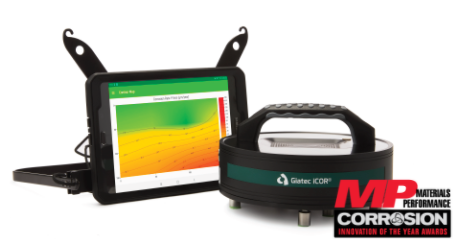
- Measure. Giatec SmartMix™ handles mix design and QC at the plant. MixPilot™ tracks slump, concrete temperature, and drum rotation in transit. SmartRock® sensors attach to the rebar, become embedded in the concrete, and measure temperature to calculate strength estimates with the maturity method (ASTM C1074).
- Connect. Giatec 360 is built to connect with the batching, dispatch, and business systems you already run, so tickets, batch results, and delivery data sync without duplicate entry. A single API also gives you access to your data in your own dashboards and business intelligence (BI) tools.
- Ask. SmartMix already includes AI plain-language search. Giatec 360 is also being built to support the Model Context Protocol (MCP), an open standard for connecting data to AI assistants, so your team can query production data in plain language through tools such as Claude.
- Decide. Batch CoPilot, the first AI product built natively on Giatec 360, is available in preview. It gives batch plant operators real-time guidance on water adjustments during batching, based on mix design targets and live production data.
What Moving Up Looks Like in Practice
Conewago Manufacturing: From Spreadsheets to Targeted Testing
Conewago manages quality across six plants and nearly 1,000 active mixes. Before Giatec SmartMix, the team exported break data by mix and combed through spreadsheets to make optimization calls. After adoption, tasks that took 45 minutes to an hour dropped to about 10 minutes, saving the QC manager roughly 12 hours a week.
The team also cut testing volume by about 25% by tracking results by air content and temperature. Dylan Meade, QC Manager, Conewago Manufacturing, LLC, expects Giatec SmartMix to “change the way the industry works” on optimization.
Read the Conewago case study here!
B & B Concrete: Visibility Into the Drum
B & B Concrete Co., Inc. has supplied concrete across North Mississippi since 1949. Without reliable slump data, drivers often tempered loads with larger volumes of water at the washdown rack or jobsite, and trucks spent more time waiting.
MixPilot gave the team real-time slump, temperature, and drum rotation data, plus insight into when loads arrive wetter or drier than expected. Don Burrone, Director of Technical Services, called scaling it fleet-wide “a no-brainer” after the trial. B & B now plans to build new key performance indicators (KPIs) around water additions and washdown.
Read the B & B case study here!
Start With Your Hardest Data Question
Your concrete data already holds answers about wait times, water additions, and overdesign. Moving up is a matter of connecting it, cleaning it, and putting it in the hands of the people who run your plant, one level at a time.
Pick one of the six questions above and time how long your team takes to answer it. That number tells you which level to work toward first.
Want to benchmark first? Download The Ready-Mix Quality Gap
Frequently Asked Questions
What Is Ready-Mix Concrete Data?
Ready-mix concrete data is every record a load generates, from the mix design and batch weights to the dispatch ticket, in-transit slump and water readings, and jobsite test or sensor results. Its value depends on whether those records connect.
What Is Concrete Overdesign?
Concrete overdesign is batching to a higher average strength than specified to cover variability. ACI 301 ties the required average strength to the standard deviation of your test records, so lower variability can let you reduce cement content, cost, and embodied carbon.
How Does In-Transit Monitoring Reduce Water Additions?
Real-time slump data shows drivers and batchers how a load is changing before it reaches the site. That lets them make smaller, controlled adjustments within ASTM C94 limits instead of large, unrecorded additions on arrival.
What Is the Model Context Protocol (MCP)?
MCP is an open standard, introduced by Anthropic in 2024, that lets AI assistants connect securely to data sources and tools. For a producer, it means asking a question about your own production data in plain language and getting an answer drawn from your records.
Do I Need to Replace My Batching or Dispatch System?
No. Giatec 360 is built to connect with the batching, dispatch, and business systems you already run, and the integration network is expanding through 2026. Talk to the Giatec team about how it maps to your current setup.