
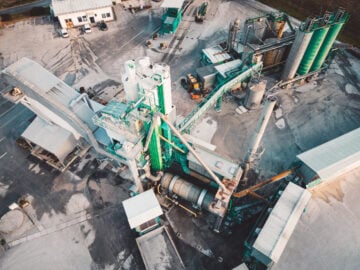
Can predictive strength alerts catch low-strength concrete before placement?
A low-break alert sounds like an early warning. It isn’t. Concrete strength is confirmeddays to weeks after placement, so by the time that alert reaches your desk, the problem is already in the structure. Predictive strength alerts move that warning back to where the problem started, at the batch plant.
In most cases, the load that caused the low break was visible on its batch ticket the day it was batched. A cement weight was off at the scale, water ran over design, or an admixture didn’t dose. Nobody caught it because nobody reviews every ticket across hundreds of loads a day.
In this blog, you will learn why low-break notifications arrive too late, which small batching errors drive low strength, and how Giatec SmartMix™ uses predictive strength alerts to flag at-risk loads before they reach the pour.
What Are Predictive Strength Alerts?
Predictive strength alerts (as opposed to low-break alerts) are automated warnings that concrete is likely to test below specified strength, issued early enough for your team to act. They come from two sources. Software compares each batch ticket’s actual proportions against the mix design and predicts strength at design age, flagging at-risk loads while the truck is still yours. Hardware adds field signals, such as slump and water added in transit from MixPilot sensors, or maturity-based strength estimates from SmartRock sensors once the concrete is in place.
They don’t replace acceptance testing. Cylinders made under ASTM C31 and broken under ASTM C39 remain your compliance record. Predictive alerts can help illuminate existing gaps in your testing and give you a window to act before that record is written.
Why Is a Low-Break Alert Already Too Late?
Strength testing is a lagging indicator by design. Under ACI 301, a mix complies when every average of three consecutive tests meets or exceeds the specified strength (f′c) and no single test falls more than 500 psi below f′c for mixes of 5,000 psi or less. Those results typically arrive 28 days after placement.
Most QC systems notify you when a break comes in low. That notification tells you what the lab already knows. Your team can investigate the cause, but every decision about that load was made weeks ago.
What Causes Low Concrete Strength at the Batch Plant?
The causes are small and ordinary, and nearly all of them show up on the ticket as a gap between target and actual.
| Batching Issue | What the Batch Ticket Shows | Likely Effect on Strength |
| Cement weight off at the scale | Cementitious weight below design | Lower strength at design age |
| Extra water at the plant | Water above design, often added to hit slump | Higher water-cementitious materials ratio (w/cm) and lower strength |
| Missed or under-dosed admixture | Admixture quantity short of target or zero | Higher water demand and possible air or strength issues |
| Material swap the mix was never adjusted for | Material source that differs from the mix design | Unverified change in performance |
Water is the usual culprit, because strength falls as w/cm rises. MIT researchers identify w/cm control, accurate aggregate moisture measurement, and avoiding retempering as essential to reducing strength variability.
Want to learn more about the concrete journey from plant to pour? Read here!
What Does a Low Break Cost a Ready-Mix Producer?
A low break in the field sets off a chain of costs. Cores, investigations, engineering reviews, and back-charges follow, and in the worst case a section of the structure is removed and replaced. If you’re the one carrying the liability, you also know the contractor relationship remembers long after the invoice is settled.
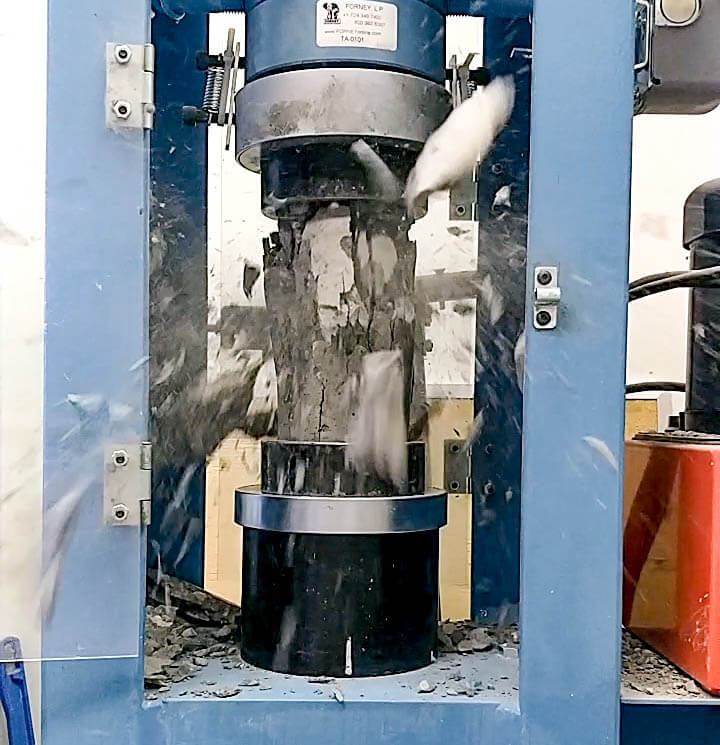
Producers protect themselves the only way they can: by overdesigning. Industry estimates put mixes at about 20% overdesigned in cementitious content. Meanwhile, NRMCA reports that material costs rose 35% between 2019 and 2023. Fear of low breaks shows up as a direct cost on every load you ship.
What Are You Missing Without Predictive Strength Alerts?
Low-break notifications leave three gaps that predictive alerts close.
| What you’re missing | What it gives you |
| A window to act | Hold, adjust, or flag a risky load to your customer before placement, instead of defending it weeks later |
| Pattern visibility | Repeated flags on one plant, truck, or material point to a root cause a single break never reveals |
| A documented record | A log of what was flagged and investigated, which matters when a dispute follows |
How Do Predictive Strength Alerts Work in SmartMix?
SmartMix is the only QC system of its kind that predicts strength from every batch ticket. It reviews each ticket as it comes in and notifies you of batch deviations from the mix design. At the same time, Roxi™, the same AI behind SmartRock strength models, compares each ticket’s actual batched proportions against the mix design and predicts strength at design age. Tickets predicted to come in low are flagged automatically and sit alongside your low-break, re-yield, and dispatch mismatch alerts in one place.

Those alerts feed Roxi’s optimization recommendations. When a flag traces back to a mix, Roxi recommends adjustments you can apply to upcoming orders so the same problem doesn’t repeat. As Roxi monitors your full mix portfolio around the clock, it can also spot at-risk mixes ahead of time, so they never become problems in the first place.
Roxi’s predictions draw on nearly 100 million cubic meters of real production data, the largest dataset of concrete mix designs in the world. That scale is what lets a prediction reflect how real mixes perform in production, not in a lab trial. Your QC managers stay in control, since Roxi flags the risk and your team decides what to do.
Seeing the Full Story of Every Load
A batch ticket can’t show what happens after the gate. Paired with MixPilot in-transit data and SmartRock sensors in the pour, you can follow strength at every stage.
| Stage | Giatec Tool | What You See |
| At the plant | SmartMix | Predicted strength at design age for every ticket |
| In transit | MixPilot | Slump, temperature, and water added on the truck |
| In the lab | SmartMix | Cylinder results matched to the load and its prediction |
| In the pour | SmartRock | Real-time temperature and maturity-based strength estimates from sensors attached to the rebar and embedded in the concrete |
Conewago Manufacturing Acts Earlier With Predictions
Conewago Manufacturing runs nearly 1,000 active mixes across six plants, and its previous system offered no predictive capability. Now the team watches batch data from every plant on one dashboard and can spot a plant that is overweighing and act fast. Dylan Meade, QC Manager, and his team validated SmartMix predictions against their own benchmarks and now use them to make decisions before a mix reaches their internal threshold of tests.
“SmartMix looks like it’s going to change the way the industry works going forward with optimizations and not having to track everything by hand.” says Dylan Meade, QC Manager, Conewago Manufacturing, LLC.

Low Strength Starts at the Plant, So Why Find It in the Lab?
Most QC platforms stop at reactive low-break notifications. Predictive strength alerts give you a window to act on a risky load while it is still at the plant, the pattern data to fix root causes, and a record that protects you when questions come later. Keep your cylinders as the acceptance record and let predictions do the early warning.
See how SmartMix flags a risky ticket before the truck leaves the plant. Book a SmartMix demo today!
Frequently Asked Questions
Do Predictive Strength Alerts Replace Cylinder Testing?
No. Cylinders made under ASTM C31 and broken under ASTM C39 remain the acceptance record under ACI 301. Predictive strength alerts work alongside testing, flagging at-risk loads before placement so your team can act early, then comparing each prediction with the eventual break result.
How Early Can a Predictive Strength Alert Flag a Load?
As soon as the batch ticket is recorded. SmartMix reviews each ticket’s actual batched proportions against the mix design while the load is still at the plant, which gives your team time to hold, redirect, or notify the customer before placement.
How Reliable Are Predictive Strength Alerts?
Roxi’s predictions are reliable, and every prediction passes through safeguards before it reaches your team. Roxi draws on nearly 100 million cubic meters of real production data, and Conewago Manufacturing validated SmartMix predictions against its own benchmarks before relying on them. Comparing predictions with break results keeps building that confidence.
Can Predictive Strength Data Help You Reduce Overdesign?
Yes. Strength data shows where mixes carry more cement than they need. Tomlinson Ready Mix confirmed in SmartMix that a mix built to reach design strength in seven days was getting there in three, then cut 35 kg/m³ of cement over six weeks without compromising performance.