


ASTM C39 is the standard method for measuring the compressive strength of concrete cylinders under controlled conditions. However, the result depends on more than just the concrete itself. Specimen geometry, curing history, end preparation, machine alignment, and loading control can all affect the final value.
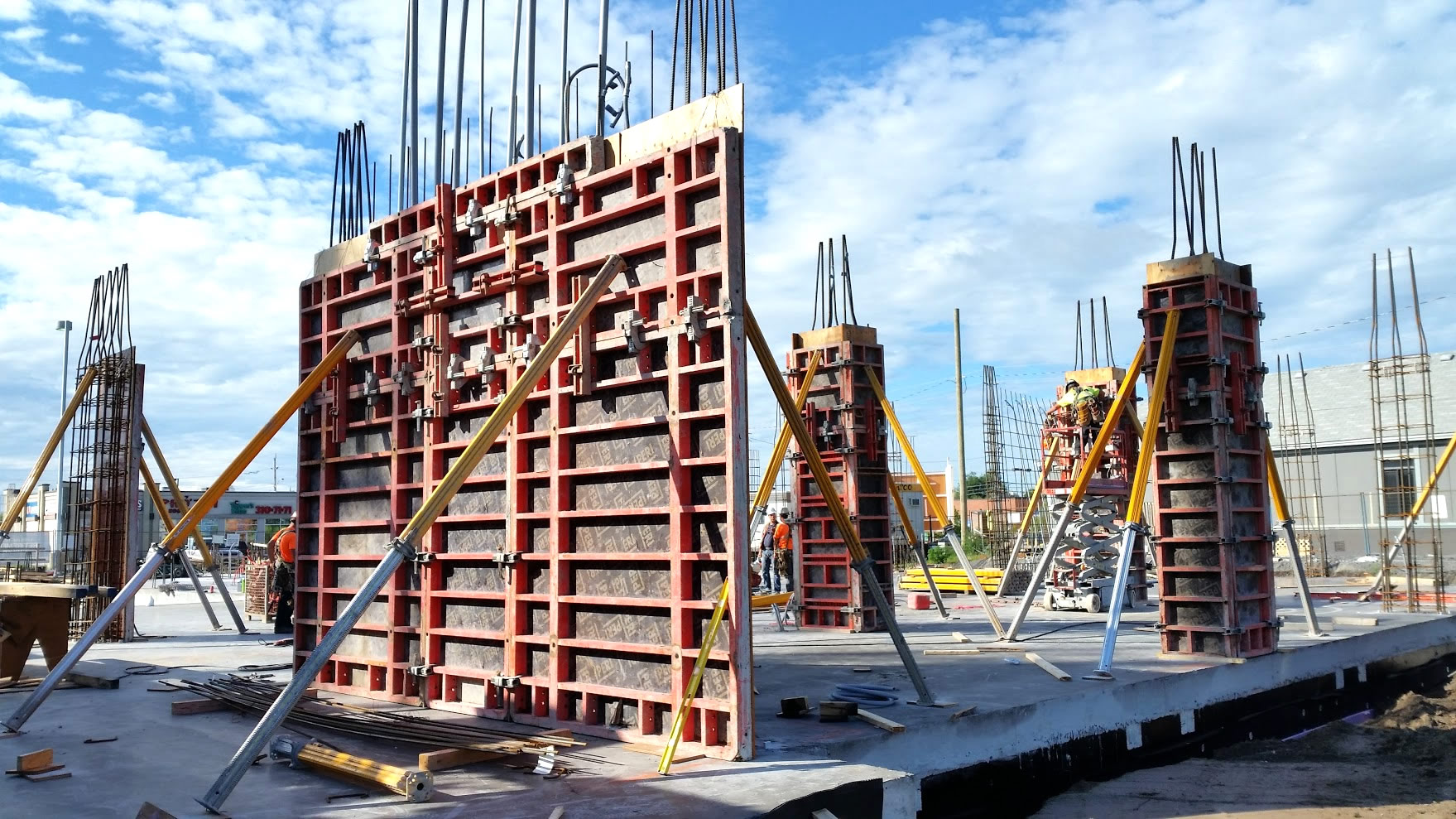
Concrete compressive strength testing is one of the most trusted tools in construction. Engineers rely on it to verify compliance, guide construction schedules, and make critical decisions such as formwork removal and post-tensioning. But there is an important limitation that often goes unaddressed. ASTM C39 measures the strength of a prepared specimen under controlled conditions. It does not directly measure the strength of the concrete inside the structure.
In this blog, gain an understanding of this distinction and why it is key to reducing risk on modern construction projects.
What ASTM C39 Measures and What It Assumes
ASTM C39 determines compressive strength by applying a controlled load to a concrete cylinder until failure. The peak load is divided by the cross-sectional area to calculate strength.
For this result to be reliable, several conditions must be met:
- The cylinder is made correctly
- The ends are flat and perpendicular
- The specimen remains properly cured before testing
- The cylinder is centered correctly
- The bearing surfaces are clean and aligned
- The testing machine is calibrated and applies load at the required rate without shock
ASTM also requires machine verification under ASTM E4 and strict control over specimen geometry and preparation.
In practice, each of these steps introduces potential variability.
Why ASTM C39 Still Matters
ASTM C39 remains essential. It provides a consistent and standardized method for comparing results, verifying specifications, and managing quality across projects.
The issue is not the standard itself. The issue is assuming that a single cylinder result fully represents the performance of concrete in the field.
Mold Quality Can Affect Results Before Testing Even Begins
Errors can start at the very first step.
ASTM C39 requires cylinders to meet strict dimensional tolerances. Damaged or deformed molds can create variations in diameter and shape. If the mold is not flat, square, or stable, the specimen may already be compromised before testing.
Research on mold quality shows that deviations in flatness and perpendicularity can reduce measured compressive strength by up to 18 percent. Poor mold conditions can also lead to technical and legal disputes between project stakeholders.
This makes mold quality a risk factor, not just a lab detail.
Sampling and Specimen Preparation Add More Variability
Even with a good mold, poor sampling and handling can affect results.
Improper rodding, vibration, or consolidation can introduce air voids and segregation. ASTM recommends checking failed specimens for voids, aggregate distribution issues, and preparation defects, which shows that variability often comes from the testing process, not just the mix.
This is why two cylinders from the same placement can produce different results. The method is standardized, but execution in the field is not.
End Preparation and Bearing Surfaces Influence Failure Behavior
ASTM C39 requires cylinder ends to be flat and properly prepared by grinding, capping, or sawing. The specimen must also be aligned with the center of thrust of the spherically seated bearing block.
Compressive testing assumes axial loading. If the load is applied unevenly, the specimen can fail prematurely for reasons unrelated to actual concrete strength.
In practice, issues such as dirty platens, worn bearing surfaces, poor capping, or uneven seating can distort stress distribution. A common but often overlooked issue is debris buildup in the spherical seating system. In many machines with a flexible top platen, dust and small particles can accumulate in the upper hemisphere after repeated testing if not properly cleaned. This reduces the freedom of movement of the platen, restricts alignment, and leads to non-uniform loading. As a result, the failure mode can shift from a typical compression failure to a shear-type break, which affects the measured strength.
Machine Alignment, Frame Stiffness, and Load Control Also Affect Results
The compression machine is part of the measurement system, not just a device that reads strength. ASTM C39 requires the load to be applied continuously and without shock, with a controlled stress rate of 0.25 ± 0.05 MPa per second. The ability to maintain this rate depends on machine stiffness, control systems, and specimen properties.
Proper alignment ensures axial loading. Even small misalignments can create uneven stress and early failure. Bearing condition, platen alignment, and specimen centering all affect how the load is transferred.
Frame rigidity and controlled hydraulic loading are essential for reliable results. CONTROLS Group notes that modern compression machines are designed with high frame stiffness and automatic load control to ensure consistent force application and repeatable outcomes. These features help maintain a uniform load rate and minimize fluctuations during testing.
When the load application is unstable or misaligned, stresses are not evenly distributed across the specimen. In practice, non-uniform or eccentric loading can alter compressive strength results by as much as 30-35%, especially in high-strength or brittle concrete. This makes machine stiffness, hydraulic stability, and alignment critical for both accuracy and risk control.
Manual vs. Servo Control
Manual systems rely heavily on operator control, which can introduce variability in loading rate.
Modern servo-controlled systems maintain the required load rate more consistently and reduce fluctuations. While this difference may seem small in routine testing, it becomes important for high-strength concrete and time-sensitive decisions.
Curing History Has a Major Influence on Test Results
Curing conditions directly affect compressive strength.
ASTM C39 states that strength depends on age, temperature, and moisture conditions during curing. This means two cylinders from the same mix can produce different results if their curing histories differ.
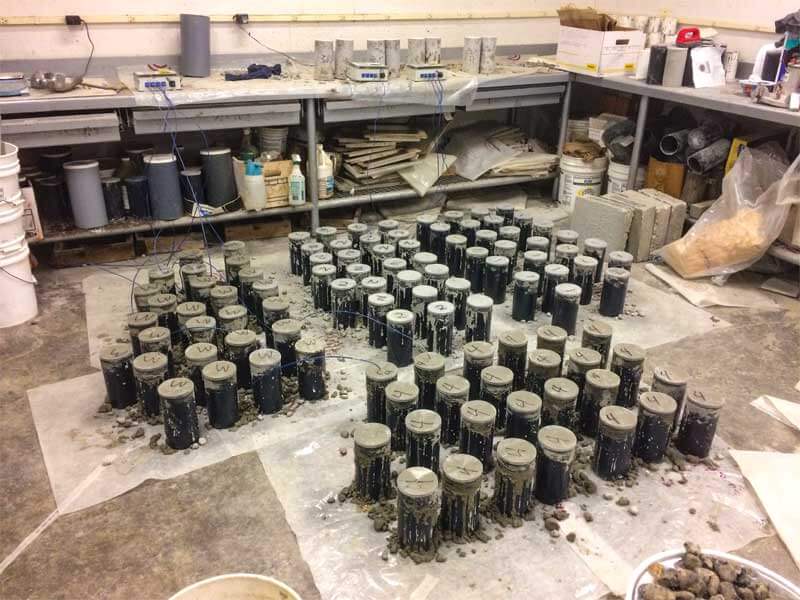
Lab-cured cylinders are kept under controlled conditions, which improves consistency but does not reflect real construction environments. Field-cured cylinders better represent site conditions, but they still do not fully replicate what happens inside structural elements.
Structural concrete behaves differently due to:
- Thermal mass and internal heat generation
- Moisture gradients and environmental exposure
- Boundary conditions
- Restraint from reinforcement and surrounding elements
As a result, cylinders should be treated as standardized indicators of strength, not exact representations of in-place performance.
The Importance on Real Projects
The difference between lab results and field performance becomes more important as project complexity increases.
On high-rise projects, decisions such as post-tensioning depend on accurate strength data. On large infrastructure projects, environmental conditions and structural scale influence strength development. On fast-paced jobs, delays in confirming strength affect construction schedule and cost.
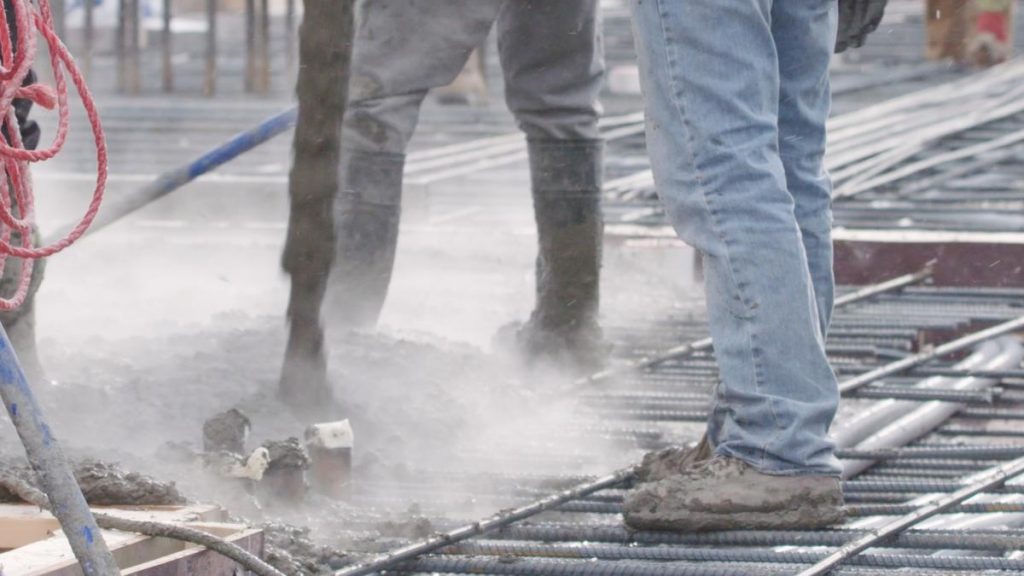
Real-world projects highlight this challenge. For example:
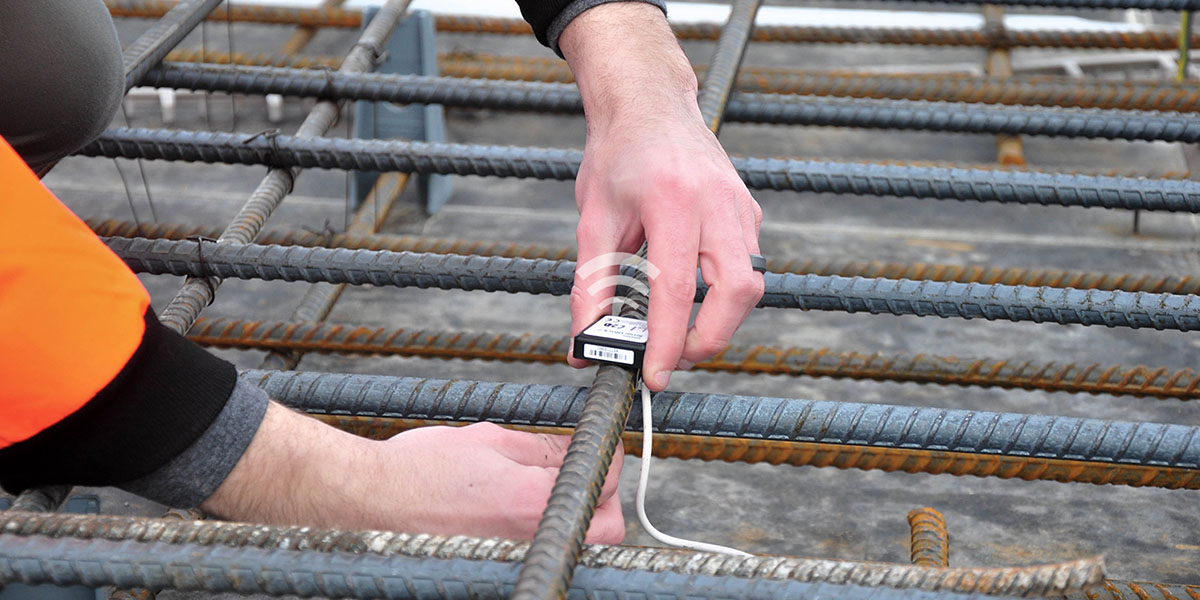
- Skyrise Engineering used real-time monitoring with SmartRock® Long Range wireless sensors to improve visibility into strength development on a high-rise project.
- Mace at Heathrow Airport faced large-scale construction conditions where timing and performance were critical.
- PCL Construction improved project decision-making by aligning strength data more closely with field conditions.
These examples show that relying only on cylinder break results can introduce uncertainty in complex environments.
A Practical Perspective
ASTM C39 should not be replaced. It should be used with the right expectations.
It remains essential for compliance and standardization. But it represents a controlled test, not the full reality of concrete behavior in the field.
That is why many teams combine traditional testing with in-place monitoring or maturity-based methods when timing, risk, and field variability matter. This approach is reflected in projects such as SmartNow-Lab and The Walsh Group, where field data supported more informed decisions
Key Takeaways
- ASTM C39 is essential for quality control and compliance
- Test results depend on preparation, curing, and machine performance
- Mold defects and sampling errors can significantly affect results
- Machine alignment, load control, and cleanliness influence accuracy
- Debris buildup in spherical bearings can restrict platen movement and change failure behavior
- Lab and field-cured cylinders do not fully represent structural conditions
- Understanding these limits helps reduce risk and improve decisions
Conclusion
ASTM C39 remains a cornerstone of concrete quality control. It provides a consistent and standardized way to measure compressive strength.
However, it is not a direct measurement of structural performance.
Each result reflects a chain of variables, from sampling and curing to machine behavior and load application. Recognizing these variables helps engineers interpret results more accurately, reduce uncertainty, and make better decisions.
In modern construction, where timelines are tight and conditions vary, understanding these limitations is essential for managing risk and improving outcomes.
Want to learn more concrete standards, codes, & definitions? Check out our Construction Insights!
Frequently Asked Questions
What does ASTM C39 measure?
ASTM C39 measures the compressive strength of concrete cylinders by applying axial load until failure and calculating strength from the peak load.
Why can ASTM C39 results vary even when the concrete mix is the same?
Results can vary due to differences in specimen preparation, curing conditions, mold quality, machine alignment, and load application.
Can bad molds really lower measured concrete strength?
Yes. One uploaded study found that the worst mold in the test set produced compressive strength results up to 18% lower than the best mold because of flatness and perpendicularity deviations.
Are field-cured cylinders fully representative of in-place concrete?
No. They may better reflect site conditions than lab-cured cylinders, but they still do not fully reproduce the thermal mass, restraint, geometry, and boundary conditions of the actual structural element.
Is ASTM C39 enough for time-sensitive project decisions?
It is essential for compliance, but it may not provide a complete picture of in-place strength, especially for time-sensitive decisions.