The Project
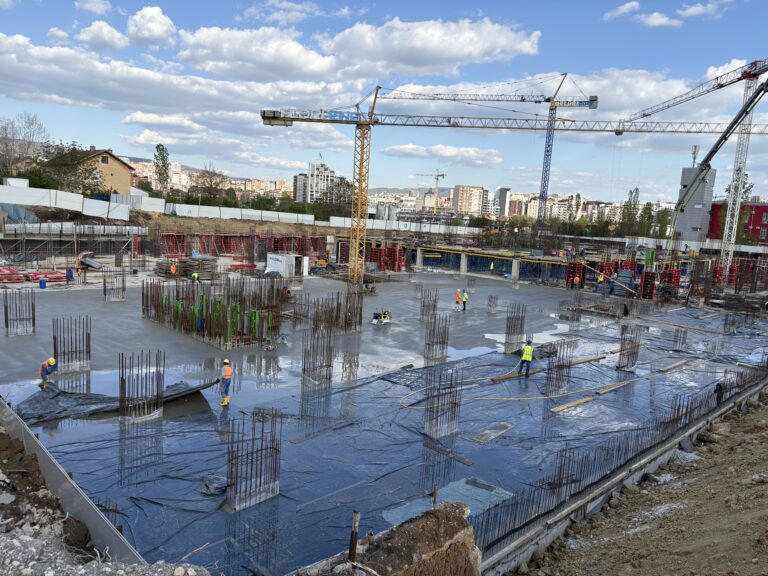
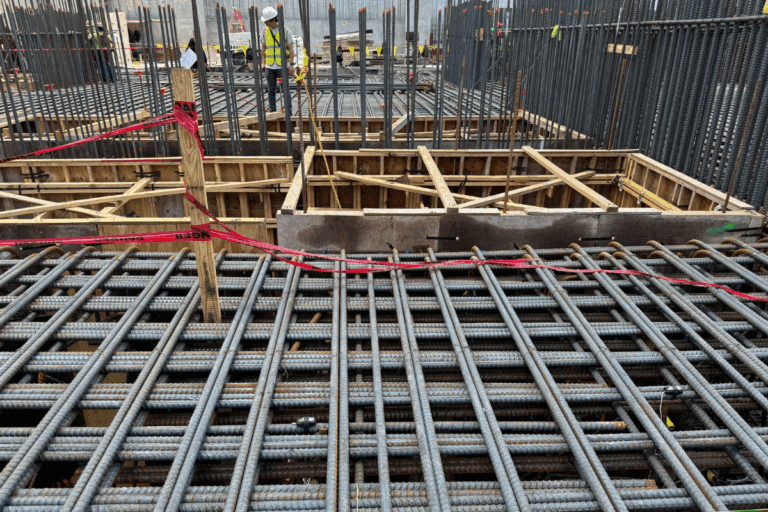
The Alameda Central Stage 2 project is a key phase of the Alameda del Rímac megaproject, recognized as one of the largest social housing developments in Peru. Located in the Rímac district of Lima, this development includes 22 levels of residential and commercial buildings, requiring approximately 4,870 m³ of concrete.
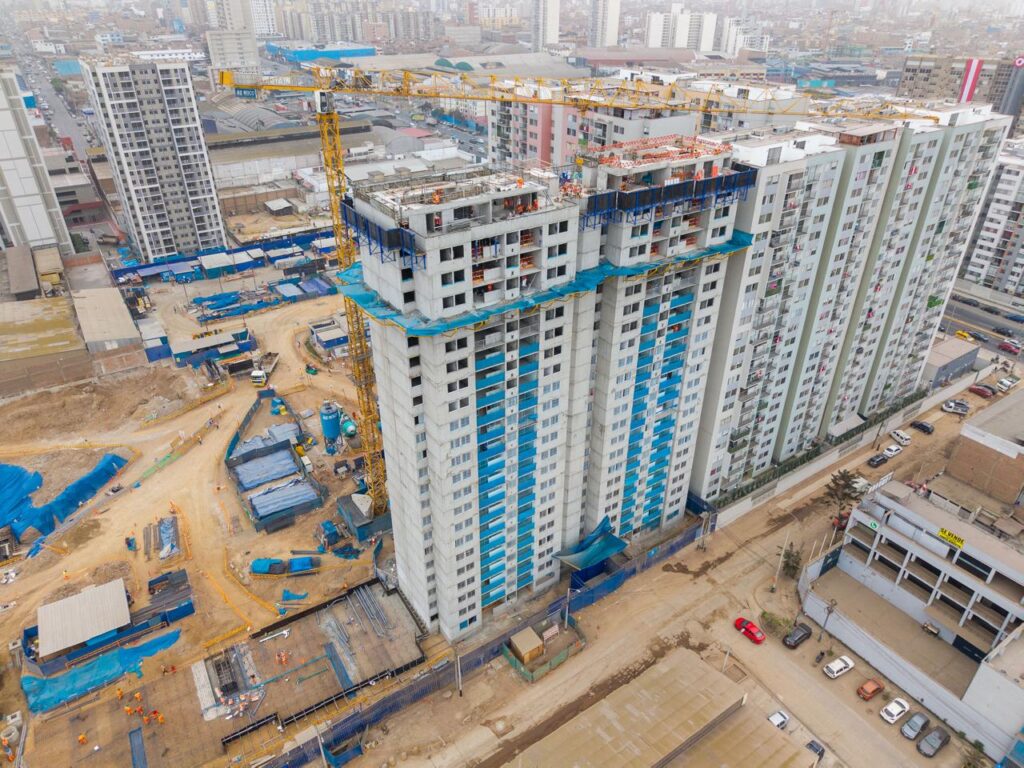
Developed by BESCO, the project represents a major urban transformation, reshaping an important area of Lima into a modern, functional space that integrates green areas, connectivity, and high-quality common spaces. Aligned with the state programs Techo Propio and Crédito Mivivienda (Ministry of Housing and Urban Development), the project also carried strict compliance and traceability expectations.
In Peru’s social housing market, construction teams face a unique reality: tight budgets, high competition, and deadlines that leave no room for inefficiency. For BESCO, the pressure was especially intense, as the project’s schedule was fixed at 11 months, with penalties attached to delays. That meant every concrete pour mattered and had to support speed without sacrificing structural quality.
When Standard Testing Becomes a Schedule Risk
The project relied on traditional destructive testing, using lab-cured specimens to validate concrete strength. While common, this method created a significant operational standstill. The team often had to wait 3 to 7 days for laboratory results before making critical decisions, including slab release and shoring removal.
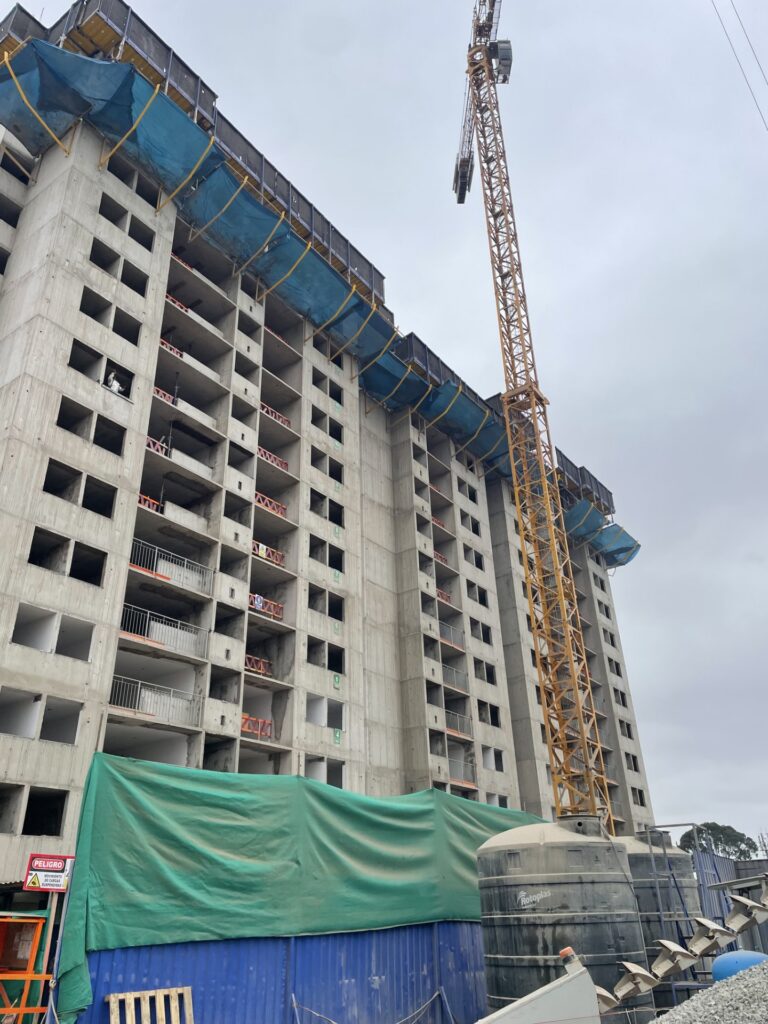
That waiting period slowed the entire structural cycle. Without real-time insight into strength development, teams relied on delayed information and conservative assumptions. This increased uncertainty, added operational costs, and limited the ability to optimize schedules and resources.
In a project where timing was everything, the team needed a way to replace waiting with certainty. This was where SmartNow-Lab introduced SmartRock®!
A Smarter Way to Release Slabs and Accelerate the Structural Cycle
Alameda Central Phase 2 required compliance with rigorous strength standards using the maturity method (NTP 339.217, ACI 318 5.6.2.1). Target strengths were defined at 210 kg/cm² and 280 kg/cm² at 28 days, depending on the construction phase.
At the same time, the team needed to continuously monitor on-site strength to avoid delays, reduce destructive testing, and prevent cracking through thermal gradient control. All of this had to be achieved with full traceability, as well as Peruvian and Latin American regulatory compliance.
SmartNow had already used SmartRock sensors on previous projects, so adopting the technology for Alameda Central Stage 2 was a natural next step. The team knew it worked and trusted it to perform under tight schedule pressure.
The ability to install sensors directly on the truss and read results wirelessly from a mobile device gave the team what they had been missing: real-time strength visibility and confidence to act faster.
From Waiting on Lab Results to Saving 3 Days Per Slab!
The project implemented SmartRock paired with the SmartRock Web Premium platform, enabling real-time strength monitoring through the maturity method. This transformed the concrete workflow from delayed verification to confident decision-making.
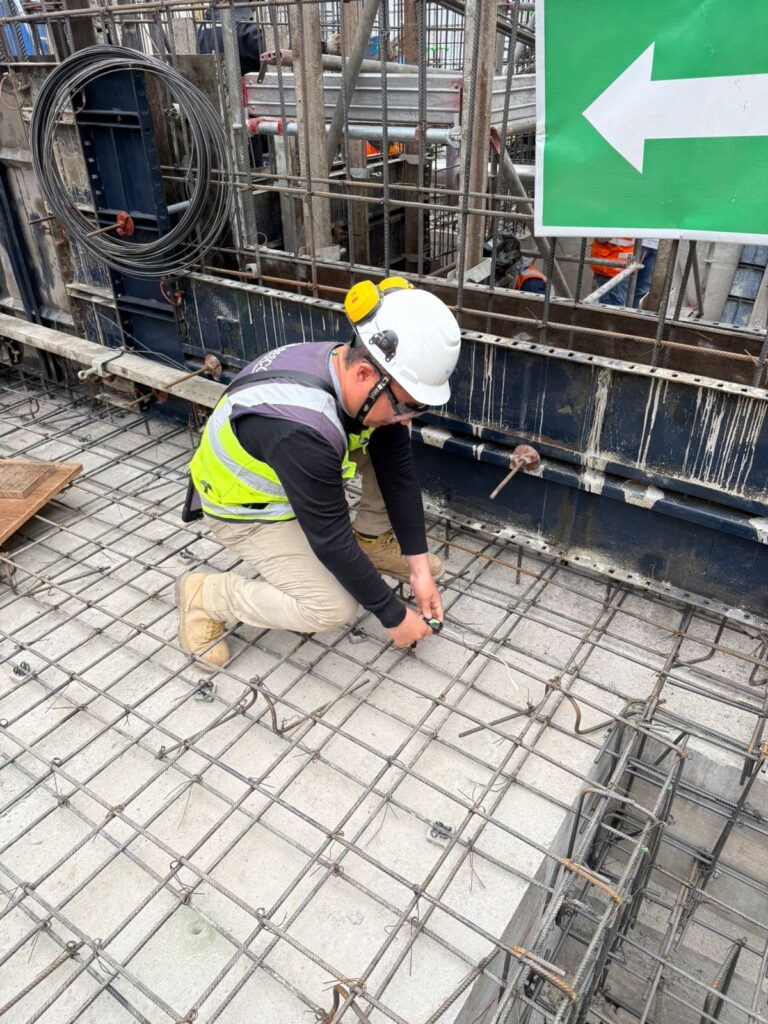
Instead of waiting for lab results, the team could monitor strength development continuously and release slabs and struts earlier. That change created a measurable breakthrough in construction efficiency.
The project estimates show that approximately 3 days were saved per slab, resulting in a 32% faster slab release time on average.
This acceleration did not come at the expense of quality. In fact, real-time monitoring strengthened decision-making and reduced risk. The project reported zero concrete rejections due to insufficient strength, while also improving predictability for engineers, supervisors, and contractors through shared cloud-based access to the data.
Better Data & Up to 20% Less Costs
Beyond schedule gains, the project achieved major efficiency improvements in concrete operations. With SmartRock data, the team could optimize the mix based on actual performance rather than conservative estimates. This allowed for a reduction in cement content by up to 15% per mix, supporting a more cost-effective and efficient approach without compromising compliance.
Destructive testing was also dramatically reduced. The project reported 90% fewer field-cured cylinders, helping reduce costs, waste, and time lost to redundant processes.
Overall, the project projected a 20 to 25% acceleration in the structural cycle, along with an approximate 18 to 20% reduction in concrete-related costs. Direct cost savings were estimated at up to $120,000, considering cement reduction, testing savings, and avoiding delay penalties.
The project was also recognized by Mivivienda as an example of innovative and efficient social housing, highlighting the value of digital traceability and modern concrete monitoring in regulated construction environments.
Smooth Implementation Backed by Giatec Expertise
To keep the project moving quickly, implementation was designed to be simple and efficient. The team completed training in less than two weeks, with on-site training delivered in just one day.
The mix calibration was carried out over 35 days, with Giatec providing technical support throughout the critical launch phase. Additional specialized support during installation and calibration ensured the team could confidently interpret results and use the data to guide real-time decisions.
Concrete Intelligence That Delivered Real Results
Alameda Central Stage 2 demonstrates how real-time concrete strength monitoring can unlock faster, smarter construction in high-pressure housing projects. By replacing delayed destructive testing with wireless maturity-based monitoring, BESCO accelerated slab release, reduced material use, minimized waste, and improved schedule performance while maintaining quality and regulatory compliance.
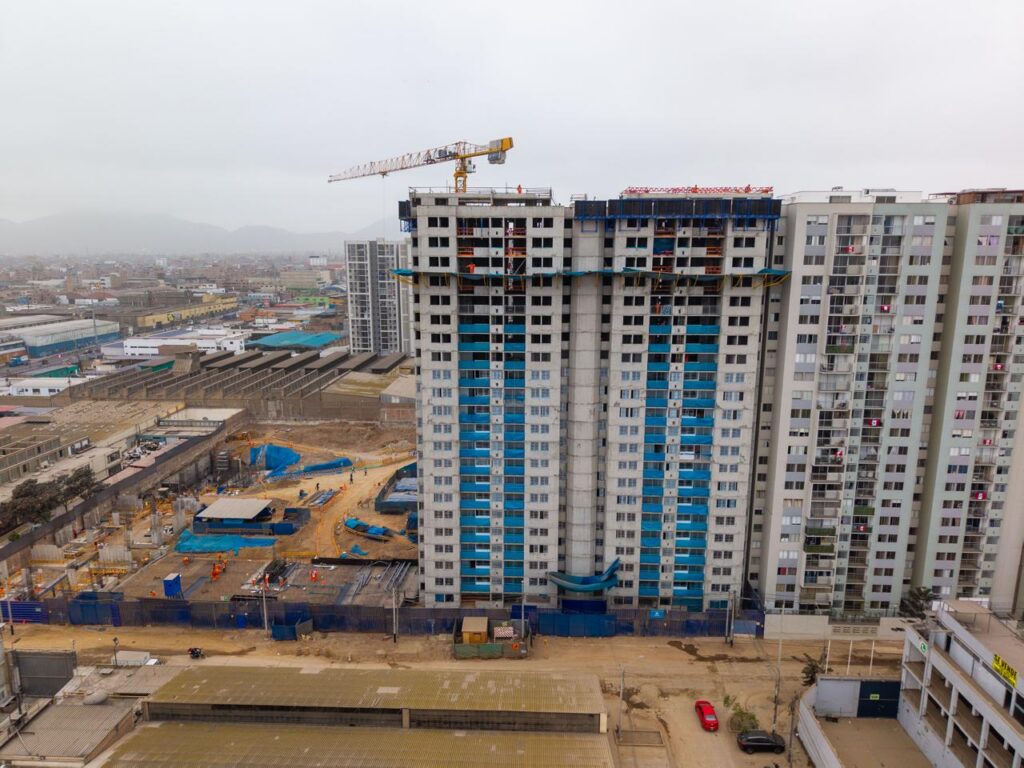
For BESCO and SmartNow, the teams have established a strong foundation for replicable success across future phases and similar projects.
In a market where deadlines are fixed and budgets are tight, this project shows how SmartRock can turn concrete operations into a competitive advantage.