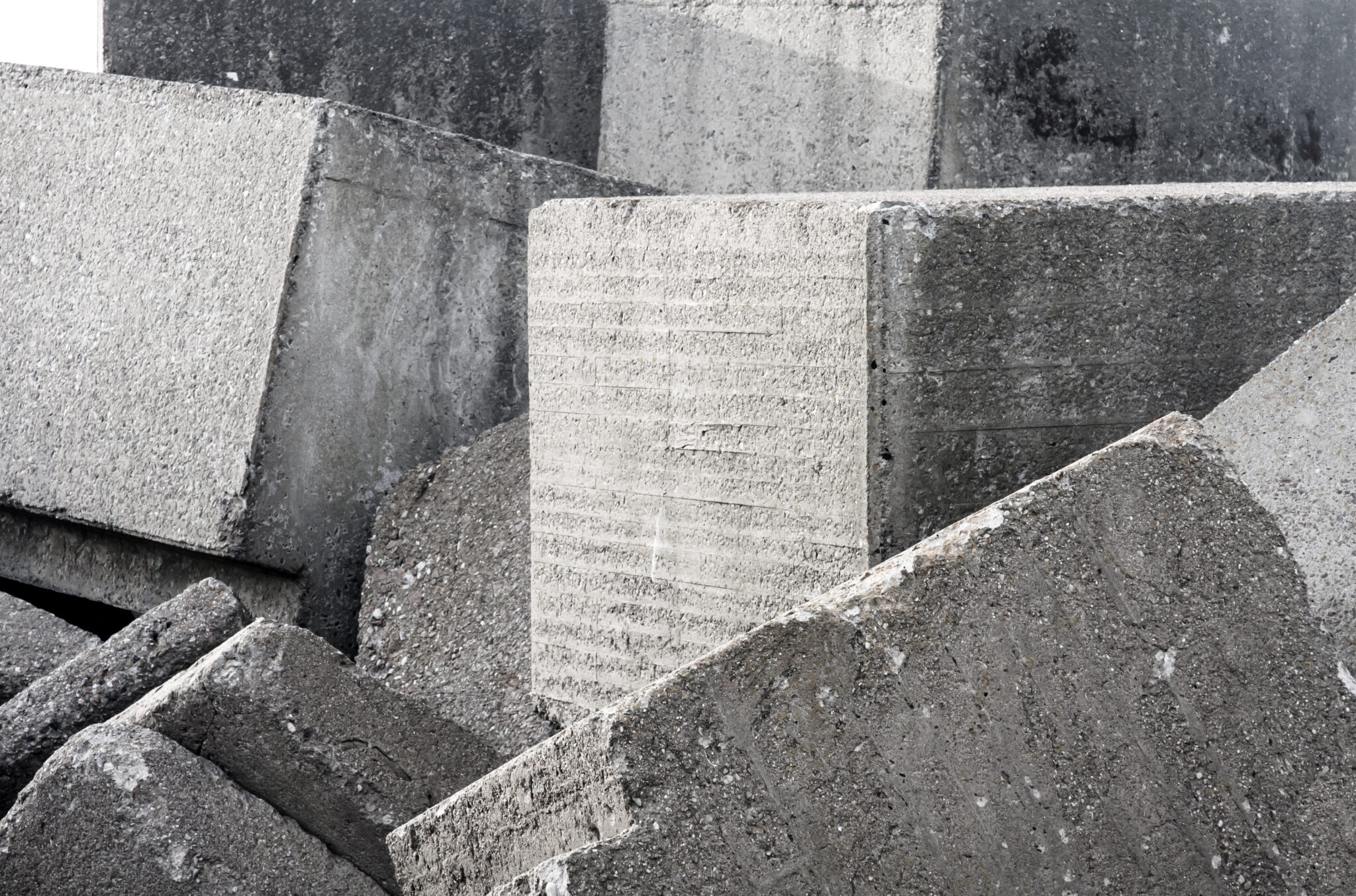

Concrete is everywhere: bridges, tunnels, skyscrapers, highways. It’s easy to take it for granted. But behind the scenes, concrete is undergoing a major transformation.
For decades, we’ve relied on traditional concrete mixes to do everything from hold up buildings to resist harsh weather. But now, the demands are changing. Projects are getting more complex. Durability and longevity are top priorities. And there’s growing pressure to cut down on maintenance and carbon impact.That’s where High-Performance Concrete (HPC) and Ultra-High-Performance Concrete (UHPC) come in.
These are not your typical concrete mixes. They’re engineered to be stronger, last longer, and perform better under extreme conditions. From high-speed rail systems to military infrastructure, these advanced materials are quietly reshaping how we build.
In this article, we’ll break down what HPC and UHPC actually are, where they’re being used, what’s new in the field, and why it matters if you’re leading construction decisions today.
HPC and UHPC: What They Are and Why They Matter
Let’s start with the basics.
High-Performance Concrete (HPC)
Think of HPC as concrete that’s been upgraded for modern demands. It’s not just about being strong (though it definitely is) but how well it performs over time.
- Strength: Typically 50 to 100 MPa.
- Better durability: It resists cracking, water, and chemical attacks.
- Longer life: Especially useful for bridges, tunnels, and high-rise buildings where failure isn’t an option.
It’s also more workable, which makes it easier to place and finish, especially in complex structural designs.
Ultra-High-Performance Concrete (UHPC)
Now take everything you just read about HPC, and crank it up several notches.
UHPC is the cutting edge. It’s made using tightly packed fine materials, fibers, and minimal water. This results in:
- Compressive strength over 150 MPa
- Extremely low porosity (almost waterproof)
- Built-in ductility and toughness, thanks to steel or polymer fibers
UHPC isn’t just strong. It’s resilient. It bends under stress instead of snapping. That makes it ideal for things like seismic zones, blast resistance, and structures that need to last a century or more with minimal upkeep.
Want to go deeper on how strength actually develops in your pours? Download Giatec’s free Strength & Maturity ebook to unlock the full potential of every pour.
Where These Mixes Shine: Real-World Uses of HPC and UHPC
So now that we’ve unpacked what HPC and UHPC are, the next question is: Where do they actually get used? The answer might surprise you, because these materials are showing up everywhere from highway pavements to sculptural architecture.
Let’s walk through some of the places they’re making a serious impact.
Precast Elements: Where Speed and Strength Go Hand in Hand
Precast construction is all about building smarter and faster. Think of bridge girders, tunnel segments, parking decks: anything you can cast off-site and drop into place like puzzle pieces. This is where HPC and UHPC are changing the game.
Because these concretes gain strength quickly and resist shrinkage, they’re ideal for high-volume precast production. And since durability is built into the mix, you’re not just getting fast construction. You’re getting structures that last decades longer with fewer repairs. Departments of Transportation are already using UHPC joints between precast segments to eliminate weak points and extend service life.
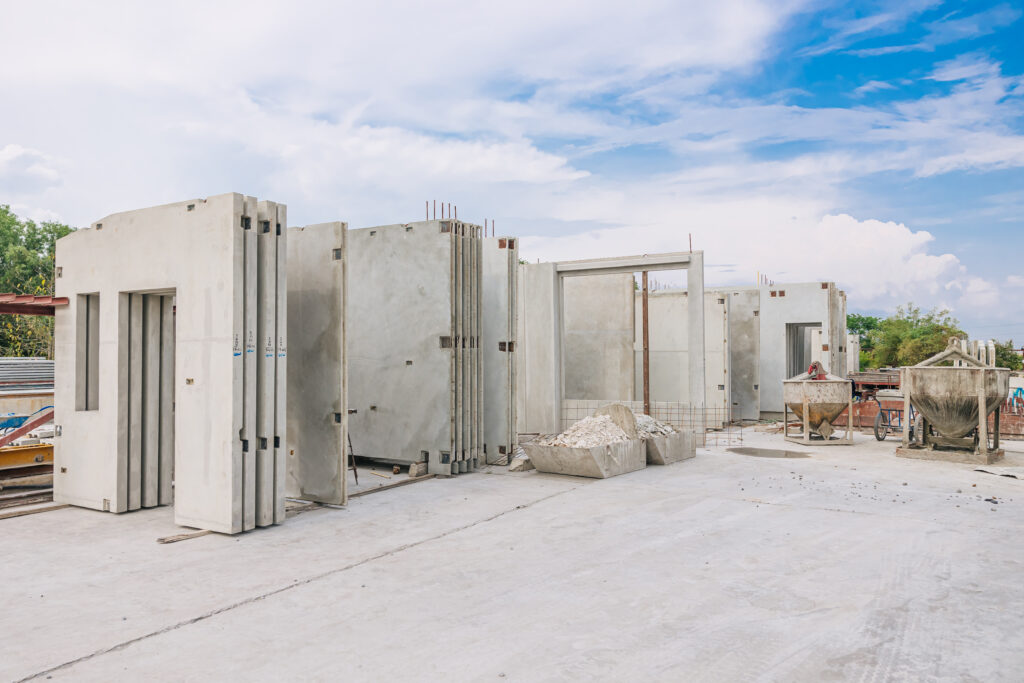
Real-world example? The Pulaski Skyway, a critical 3.5-mile viaduct in New Jersey, underwent a significant rehabilitation where UHPC played a pivotal role. Approximately 1 million square feet of deck were replaced using precast concrete panels connected with field-cast UHPC joints. This approach enhanced durability and minimized maintenance needs, extending the bridge’s service life by an estimated 75 years. The project utilized over 5,000 cubic yards of UHPC, marking it as the largest application of field-cast UHPC in North America to date.
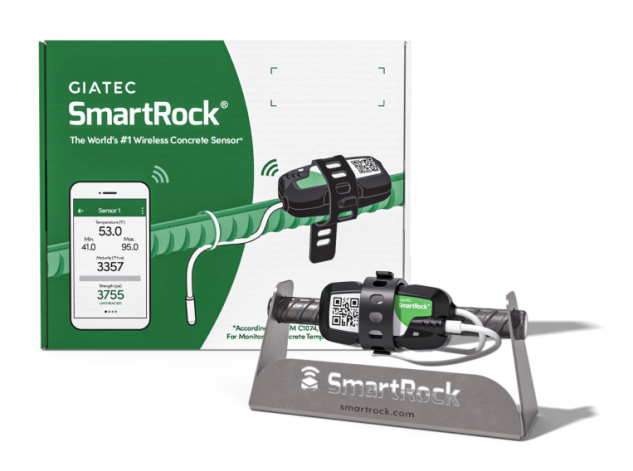
Curious how precast crews hit strength targets without waiting on lab breaks? Find out how SmartRock® wireless sensors deliver real-time strength data straight to your phone.
Self-Compacting Concrete: A Better Pour in Tight Spaces
Anyone who’s worked on a dense, rebar-heavy jobsite knows the headache of trying to pour concrete that actually flows where it needs to. That’s where self-compacting HPC comes in. It moves like liquid, fills every nook without the need for vibration, and sets up beautifully.
This is a big win for complex formwork (columns, elevator shafts, deep foundations), anywhere that traditional concrete would struggle to flow and compact properly.
Why HPC here? Because you still get all the high-strength, low-permeability benefits without sacrificing workability. It means fewer defects, fewer callbacks, and a more reliable finish, especially on large-scale projects with tight tolerances.
During the construction the One World Trade Center (1WTC) in New York City, SCC was employed to meet the project’s demanding structural and aesthetic requirements. The use of SCC facilitated the placement of high-strength concrete in densely reinforced vertical elements without the need for mechanical vibration, enhancing both the quality and speed of construction.
The implementation of SCC in this project not only improved the surface finish of the concrete but also contributed to labor savings and reduced noise pollution on-site. This application exemplifies how SCC can be effectively utilized in complex, high-profile construction projects to achieve superior results.
Fiber-Reinforced UHPC: Tougher Than It Looks
When you hear “fiber-reinforced,” think of concrete that acts less like stone and more like flexible armor. The addition of steel or polymer fibers lets UHPC handle tension and impact forces that would crack or crush ordinary mixes.
This has opened up whole new applications: bridge overlays that can take daily abuse from truck traffic, blast-resistant walls for military bases, and even seismic retrofits in earthquake zones. And because the fibers help control micro-cracking, you’re also getting better performance over time, not just on day one.
When Wapello County, Iowa, faced the challenge of replacing the Mars Hill Bridge, the county sought a solution that would not only last significantly longer but also require minimal maintenance. Their answer? Fiber-reinforced UHPC.
The Mars Hill Bridge is a single-span, 110-foot bridge constructed entirely of UHPC girders reinforced with high-strength steel fibers. By opting for UHPC, engineers drastically reduced the size and weight of the bridge elements without compromising strength or durability.
The bridge’s slender, fiber-reinforced girders enabled easier transportation and faster installation compared to traditional concrete beams. Additionally, the steel fibers embedded in the UHPC helped dramatically reduce cracking, improve durability, and increase overall load capacity, making it an excellent choice for rural infrastructure where long-term maintenance budgets are tight.
Today, Mars Hill Bridge stands as a pioneering example of how fiber-reinforced UHPC can transform infrastructure, setting a new standard for bridge durability and cost-efficiency across America.
Concrete Pavements: Smoother Roads That Last Longer
Pavements might seem like a straightforward use case, but they’re a perfect example of where UHPC and HPC are quietly revolutionizing things.
For highway and airport pavements, durability is everything. These surfaces take daily pounding from vehicles, temperature swings, moisture, you name it. Traditionally, this meant constant patching and maintenance. But now, with UHPC overlays or HPC pavement slabs, we’re seeing roads that last two to three times longer before needing major work. Not only does that mean less disruption for drivers and less cost for owners. It also reduces emissions tied to frequent repairs.
Austria has been at the forefront of implementing two-lift concrete pavement systems since the early 1990s. This method involves placing two layers of concrete in a single operation:
- Bottom Layer: Utilizes locally available or recycled aggregates, providing structural strength.
- Top Layer: Comprises high-quality aggregates, often exposed to enhance skid resistance and reduce noise.
The top layer, known as exposed aggregate concrete (or ‘whisper concrete’ in some markets).,” is mechanically brushed to expose the aggregates, resulting in a surface that offers both durability and noise reduction. This technique has been widely adopted across Austria’s highway network, contributing to longer-lasting pavements with reduced maintenance needs.
Marine and Coastal Structures: Built to Take a Beating
Saltwater, freeze-thaw cycles, high winds: marine environments are brutal on concrete. That’s why port authorities, dam engineers, and offshore developers are turning to HPC and UHPC to build structures that don’t just survive, but thrive.
Low permeability means fewer problems with corrosion. High strength means you can design slimmer, lighter elements that still meet performance specs. And the long-term durability? That’s a huge plus when you’re building piers or seawalls that need to hold up for 100+ years with minimal maintenance.
The Mumbles Sea Hive initiative in Swansea, Wales, showcased the innovative use of UHPC in marine infrastructure. This project involved the installation of 135 bespoke UHPC panels along the Mumbles seawall, designed to enhance both structural resilience and marine biodiversity. The panels featured custom textures, including seaweed patterns and oyster shell designs, reflecting the local marine environment. Within just three months of installation, the panels attracted up to 260 barnacles each, demonstrating their effectiveness in supporting marine life.
Low permeability only helps if you can verify it in the field. Watch Understanding Corrosion in Reinforced Structures to learn how to measure durability risk before it becomes a structural problem.
Latest Innovations: What’s Changing the Game?
Innovation is reshaping concrete, and that means new opportunities to build smarter, faster, and more sustainably. Here’s a closer look at the cutting-edge trends and technologies driving the future of HPC and UHPC:
1. Nanotechnology and Smart Admixtures: Smaller Particles, Bigger Impact
Nanotechnology isn’t just changing electronics or medicine. It’s revolutionizing concrete, too. Researchers have developed nano-sized materials like nanosilica and nanoalumina to optimize concrete mixes at the molecular level. By incorporating these nanoparticles, the hydration process is significantly improved, resulting in concrete that’s stronger, more durable, and resistant to chemical attack.
Real-world impact:
In the Netherlands, nano-engineered UHPC has been used in bridge components, achieving compressive strengths well above 200 MPa and exceptional durability against freeze-thaw cycles. This results in reduced maintenance costs and dramatically increased bridge longevity.
2. Digital Concrete: Embedding Sensors for Real-Time Insight
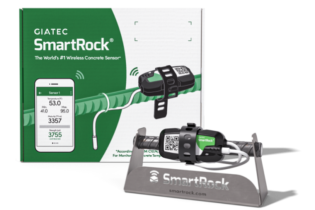
Imagine concrete that can “talk” back. Smart, wireless sensors embedded directly into concrete structures, such as bridges, dams, or skyscrapers, are making this a reality. These sensors monitor temperature, maturity, humidity, and structural stresses, sending data instantly to engineers.
The benefits are profound: improved safety, precise curing management, and early identification of structural issues, allowing for proactive rather than reactive maintenance.
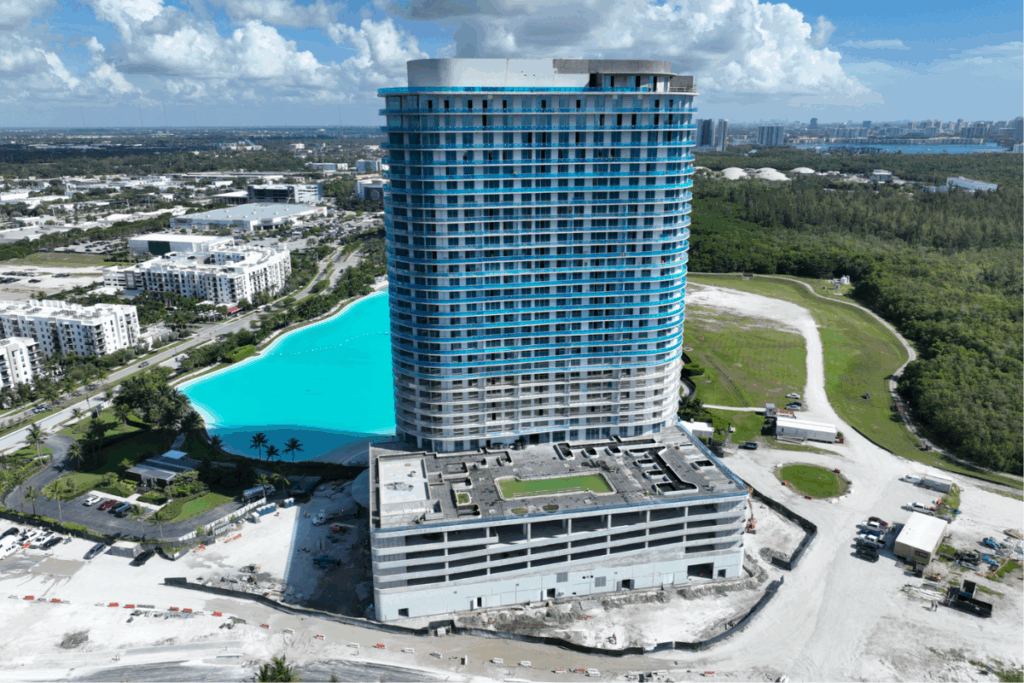
SmartRock® sensor is a leading example, widely adopted in major projects globally. At the ONE Park Tower in North Miami, a 35-story post-tensioned condominium built on a challenging municipal landfill, Skyrise Engineering & Testing deployed roughly 250 SmartRock® Long Range sensors across 75 pour sections. Real-time strength and temperature data through the SmartRock Web let the team authorize post-tensioning without waiting on lab-cured cylinder results, saving over 140 hours across the project schedule. 3. 3D Printing with UHPC: Building with Freedom and Speed.
Concrete 3D printing is shifting from futuristic concept to reality. Fiber-reinforced UHPC is an ideal material for additive manufacturing due to its high early-age strength, ductility, and ability to hold complex shapes precisely. Architects and engineers now have the freedom to produce intricate designs previously considered impossible or economically impractical.
Real-world impact:
The Striatus bridge in Venice, Italy, developed by ETH Zurich and Zaha Hadid Architects , showcases 3D-printed UHPC blocks assembled without reinforcement or mortar. This groundbreaking structure demonstrates how additive manufacturing can significantly reduce less material, and as well as minimize material use for maximum strength, and can cut construction time and costs.
4. Sustainable UHPC: Lowering the Carbon Footprint
With construction facing increasing scrutiny over carbon emissions, sustainable UHPC mixtures have become a critical innovation. These new mixes use high volumes of supplementary cementitious materials (SCMs) such as fly ash and slag, significantly reducing their carbon footprint without compromising strength or durability.
Real-world impact:
Established in 1998, the Danish Centre for Green Concrete aimed to reduce the environmental impact of concrete by developing new resource-saving binder systems and increasing the recycling and energy recovery of waste materials. The centre focused on utilizing supplementary cementitious materials (SCMs) like fly ash and slag to replace traditional cement components, achieving significant CO₂ emission reductions without compromising concrete performance.
Cementir Group’s FUTURECEM® is a patented binder technology developed in Denmark that combines calcined clay and limestone to replace a significant portion of clinker in cement. This innovation enables more than 35% clinker replacement, resulting in up to 30% CO₂ emission reductions compared to traditional Portland cement. FUTURECEM® has been successfully applied in various projects, including the UN17 Village in Copenhagen, which integrates all 17 UN Global Goals in its design.
5. Hybrid Reinforcement Systems: Corrosion-Free Strength
Corrosion of steel reinforcement remains one of concrete’s biggest long-term threats. To address this, hybrid reinforcement systems have emerged, combining UHPC with carbon-fiber or glass-fiber grids. These non-metallic reinforcements eliminate corrosion risks, enabling slimmer, lighter, and maintenance-free structures.
Real-world impact:
In Germany, a pedestrian bridge constructed in 2020 used carbon-fiber reinforced UHPC girders. This innovative combination reduced the bridge’s weight dramatically, simplified transport and installation, and ensured a lifespan exceeding 100 years with virtually zero maintenance requirements.
Each of these innovations is reshaping the concrete landscape, bringing profound improvements in durability, sustainability, efficiency, and cost-effectiveness. For executives, engineers, and infrastructure managers, these trends represent strategic opportunities: enabling their projects to lead, not merely follow, industry standards.
The Strategic Payoff for Industry Leaders
High-Performance Concrete (HPC) and Ultra-High-Performance Concrete (UHPC) aren’t merely advanced building materials. They’re powerful strategic tools. Industry leaders who understand and leverage these technologies gain significant advantages, positioning their companies at the forefront of innovation, sustainability, and long-term financial performance.
Risk Mitigation: More Than Just Safety
Every construction executive understands that reducing risks isn’t merely about meeting regulatory compliance. It’s a cornerstone of sustainable business practices. HPC and UHPC address this directly:
- Extended Lifespans: For instance, UHPC bridge overlays can significantly extend bridge life by decades. This directly translates to deferred replacement costs, lower life-cycle expenditures, and fewer disruptions to public infrastructure. Bridges once requiring intensive maintenance every few years may now function seamlessly for generations.
- Improved Structural Reliability: Thanks to inherent properties like high durability, low permeability, and resistance to corrosion, HPC and UHPC help infrastructures withstand extreme weather events, earthquakes, and routine wear and tear far better than conventional concrete. This capability drastically lowers the risk of premature structural failures, unexpected maintenance costs, and associated liabilities.
Sustainability Leadership: Building a Responsible Future
Sustainability isn’t just a buzzword. It’s becoming a critical factor in market differentiation, investor appeal, and customer trust. HPC and UHPC empower firms to demonstrate clear leadership in this arena:
- Lower Lifecycle Emissions: The long-term durability of HPC and UHPC significantly reduces the frequency of repairs and replacements. This reduction in maintenance directly lowers lifecycle emissions from transportation, material production, and heavy equipment usage.
- Use of Sustainable Materials: Modern innovations like Denmark’s FUTURECEM® technology enable companies to significantly reduce their concrete carbon footprint by substituting clinker with sustainable supplementary cementitious materials (SCMs). Such practices meet regulatory sustainability targets, positioning firms ahead of the curve in environmental stewardship.
Market Differentiation: Standing Out From the Crowd
In a competitive industry, differentiation isn’t optional. It’s essential. HPC and UHPC provide distinct pathways for companies to establish a reputation for innovation, reliability, and high-quality construction:
- Sensor-Embedded Concrete: Technologies such as Giatec’s SmartRock® sensors offer real-time monitoring of concrete conditions, providing data-driven insights into curing processes and structural health. This proactive approach enhances quality control, shortens project timelines, and optimizes maintenance schedules, significantly differentiating providers who employ this advanced technology.
- Enhanced Aesthetics and Structural Flexibility: UHPC’s strength and workability enable groundbreaking architectural designs, allowing for slimmer, more elegant structures that traditional materials can’t support. For developers and architects, this means structures that stand out visually and structurally, capturing public attention and elevating their brand.
Curious what real-time monitoring could save on your next high-performance concrete project? Run the numbers with Giatec’s free SmartRock ROI Calculator!
Navigating the Path to HPC and UHPC Adoption
Adopting these advanced materials is a strategic decision, one that requires clear understanding, commitment, and collaboration:
- Education and Training: Invest in training teams to understand the properties, handling, and benefits of HPC and UHPC. Partnering with knowledgeable suppliers and industry leaders can ease the learning curve.
- Pilot Projects: Start small with pilot projects that demonstrate tangible benefits, reducing internal resistance and showcasing clear ROI.
- Collaboration and Partnerships: Work with established industry partners, including specialized manufacturers, suppliers, and technology providers, to leverage their expertise, ensuring smoother adoption and maximizing strategic outcomes.
By strategically embracing HPC and UHPC, industry leaders can confidently mitigate risks, amplify their sustainability credentials, and distinctly set themselves apart in an increasingly crowded marketplace.
Your Next Project: Stronger, Smarter, and More Sustainable
The future of construction is bright, and concrete innovations like HPC and UHPC are lighting the way. These advanced materials are reshaping how infrastructure is built, offering unprecedented strength, sustainability, and flexibility that meet the complex demands of modern construction projects.
Whether it’s infrastructure that can withstand extreme conditions, sensor-integrated concrete that communicates in real-time, or groundbreaking designs brought to life through 3D printing, these innovations aren’t just changing concrete. They’re transforming the entire construction landscape.
At Giatec, we’re committed to helping you unlock the full potential of these advancements. Our tools provide actionable insights and real-time data, empowering your projects to exceed expectations, deliver superior performance, and stand out in an increasingly competitive industry.
Stay informed, stay ahead, and ensure your next construction project is not just built, but built better. Join us in shaping a safer, smarter, and more sustainable future with HPC and UHPC.
Curious what real-time concrete data looks like on your own project? Explore how SmartRock sensors track strength, temperature, and maturity from pour to strip.