


An accurate concrete temperature test is essential for ensuring proper curing, optimal strength, and long-term durability. Extreme temperatures, whether hot or cold, can affect hydration, early-age strength, and overall quality.
In this blog, we’ll explore modern strategies and technologies for monitoring concrete temperature to help contractors protect their pours and improve project outcomes.
Why Concrete Temperature Test Matters
Like most construction materials, concrete is highly sensitive to temperature. If it becomes too cold, hydration slows, delaying strength gain or causing incomplete curing. If it gets too hot, especially in mass concrete, thermal cracking may occur.
Concrete has to be relatively warm for it to set and cure properly. It needs to be at least:
- 40°F (4°C) while poured,
- 50°F (10°C) when curing.
The demands for a supportive environment are so strict that sometimes an outside heating source is necessary to project warm air near the concrete during cold weather conditions.
A typical mass concrete mixture will generate heat as a result of the hydration process. This process requires the water within the cement to move around and merge. This will create the heat that is necessary for concrete to thrive. However, it still needs to be kept at a temperature where this process can actually be sustainable.
Contractors must carefully analyze the concrete mixture so it will solidify and stay strong for years to come. Concrete that is not set properly may have a hard time solidifying and can end up having very poor quality.
This shows the importance of testing temperature. A temperature monitoring device can help you out in cold and hot weather conditions to protect the concrete (surface).
Thermal Control Plans
A thermal control plan allows contractors to monitor the temperature of early-age concrete in order to ensure that the maximal temperature gradient is not reached so that it cures properly. These temperature monitoring procedures are specific to the project and the concrete mix being used. They define the concrete temperature limits as well as the maximum temperature differential. This is done between the core and surface to prevent concrete cracking and other quality issues. They also state how often it should be measured.
Learn More About Thermal Control Plans

How Giatec’s SmartRock® Helps Monitor Concrete Temperature
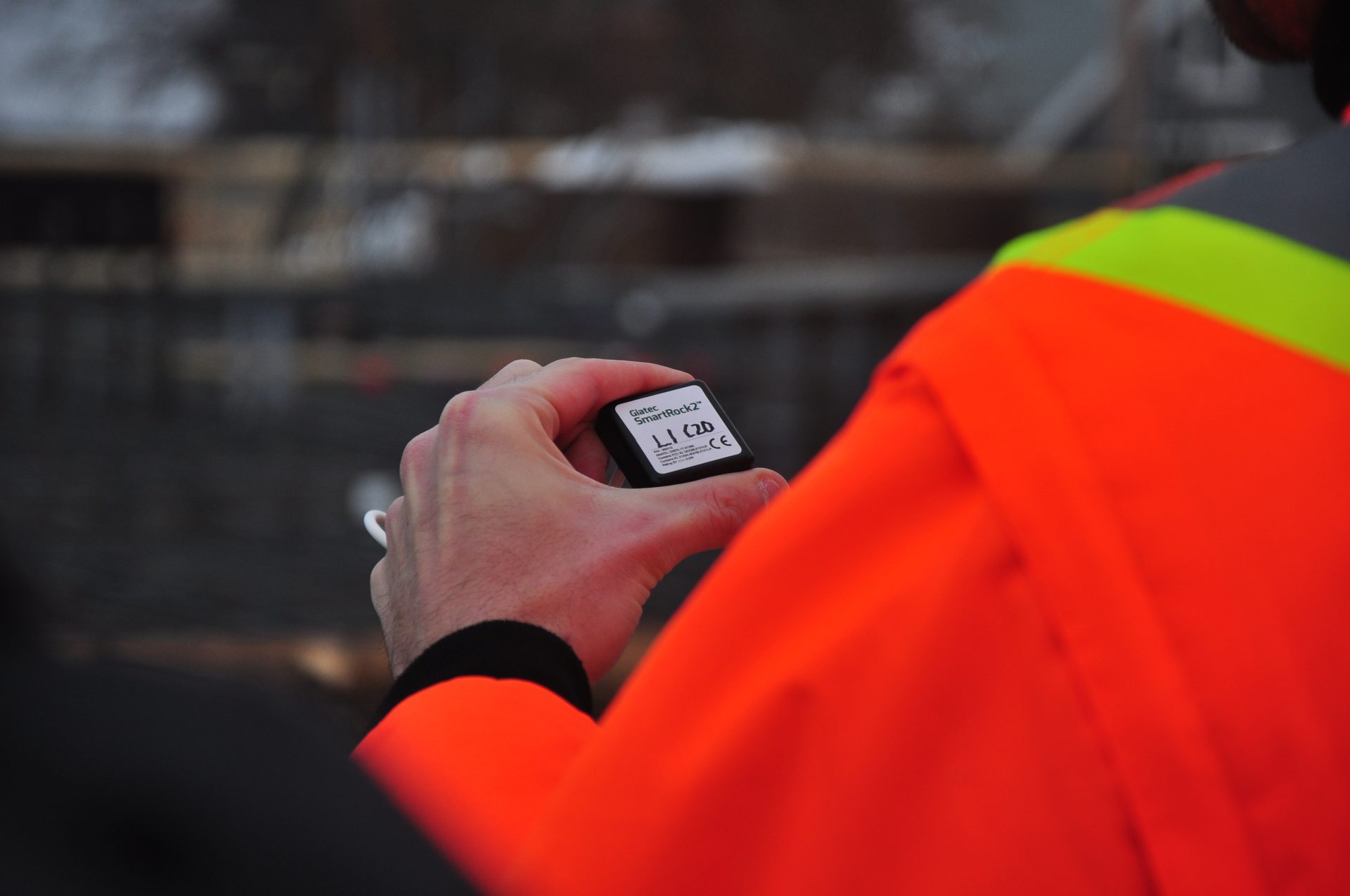
SmartRock is a fully embedded wireless device that can be used for concrete temperature testing from fresh to hardened stages. Installed directly on rebar before the pour, the sensor provides:
-
Real-time temperature data
-
Automatic strength predictions using the maturity method
-
Continuous monitoring without manual data collection
-
Cloud-based reporting through Giatec 360™ , allowing you to easily follow your thermal control and curing plan.
-
Custom alerts for thresholds, temperature limits, or strength targets
The SmartRock app makes it easy to tag sensors, view graphs, share reports, and keep all project stakeholders aligned.
See how temperature monitoring is the right fit for your concrete projects here!
A concrete temperature test can be used for monitoring the variation of temperature on the surface of concrete, especially in the cold season, or to study the strength development in concrete. The latter is based on the maturity method and can be used to predict the early-age strength of concrete.
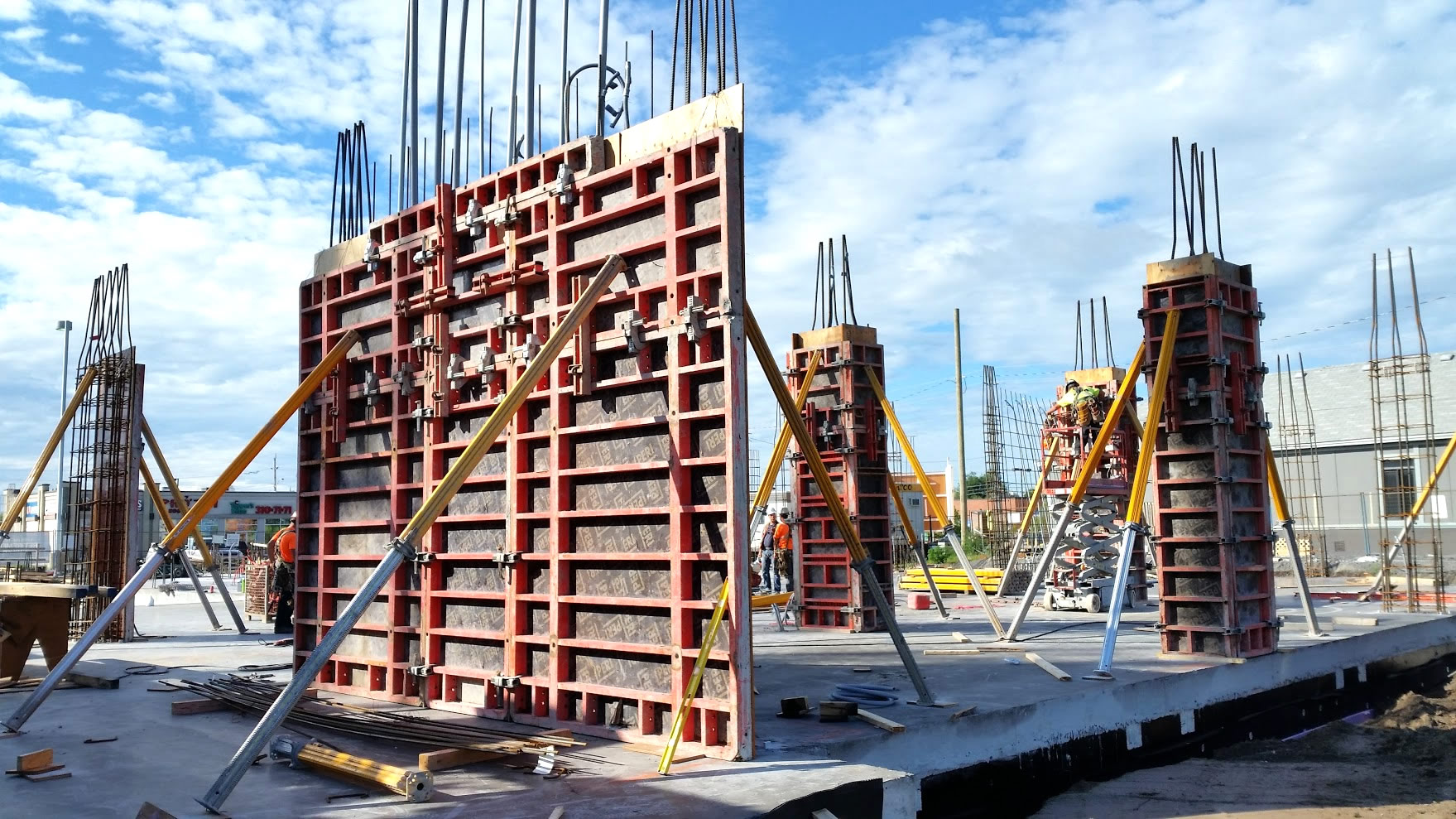
One important application for temperature sensors is to decide when covering concrete surfaces is necessary, or when it is safe to remove the coverings. Another important application is to decide when it is safe to open the formwork or shoring in a construction project.
How Do These Sensors Work?
The temperature sensors will typically work in many extreme conditions and can easily handle temperature values of up to 170 degrees Fahrenheit (as is the case for mass concrete foundations, retaining walls, or dams). However, the sensor will have to be buried in appropriate locations, and key structural components.
A reader is used to collect concrete temperature data. A traditional reader requires a wired connection to the sensor to retrieve the data. This can be done using wireless technology for the case of SmartRock sensor. The wireless sensor should be placed within a 3 to 4-inch distance from the surface. This will ensure that the signal strength is powerful enough to be detected by a smartphone or tablet. A mobile app will help the user to find and locate the sensors and connect to them. It is also used to retrieve the test data from the sensor and analyze the results.
The sensor collects temperature sensor in certain time steps (normally 30 minutes or less). This should be good enough as it can take a bit for the temperatures in your concrete to change rather substantially. Still, when used properly, it should not be much of a challenge for your app to give you the most accurate forms of analysis possible.
Curious About How Maturity Can Help You Reduce Labor Costs? Learn More Here!
Contact Giatec for Support
Giatec Scientific Inc. provides continuous technical support for our SmartRock concrete maturity sensor. You can always get in touch with us when you need assistance with installing the sensors, collecting the data, and analyzing the test results. Giatec’s SmartRock is a unique sensor that can be easily used in various construction projects.
SmartRock is designed using wireless technology for enhanced data management. It is rugged and waterproof, and the mobile app provides a user-friendly and intuitive environment to collect data, view results, and share reports with team members.
**Editors Note: This post was originally published in July 2018 and has been updated for accuracy and comprehensiveness on November 2025.